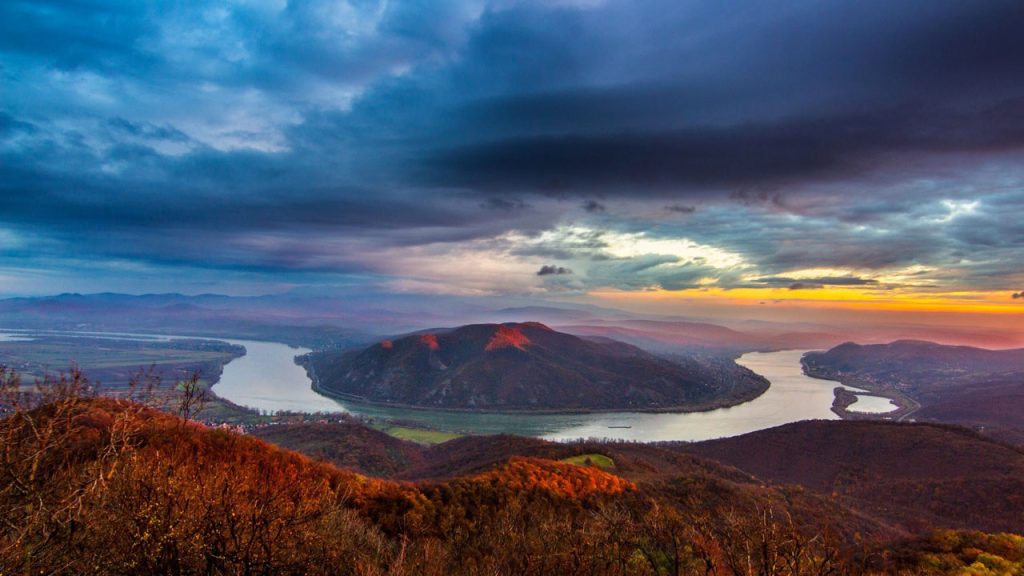
Danube Bend
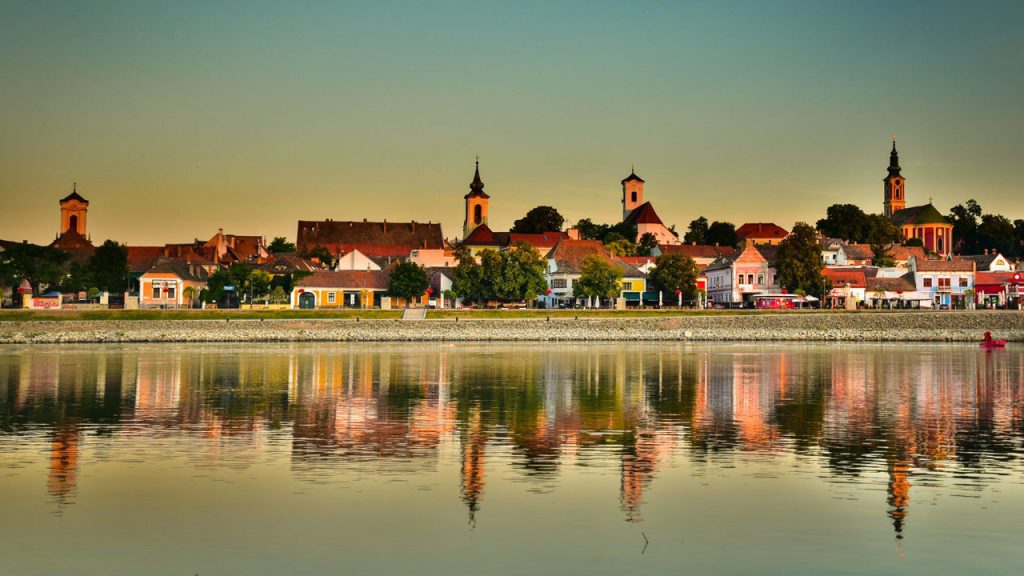
Just a short journey from Budapest, the Danube Bend is one of Hungary’s most scenic…
Our site is under maintenance right now.
We are rebuilding or webpage to provide you more relevant information.
Please note some functions are not available, and some page might not display properly yet.
We are working hard to finish it soon.
Thank you.

From the vibrant streets of Budapest to the serene countryside, Hungary is a land of rich culture, natural beauty, and unforgettable experiences. Whether you’re here for thermal spas, historic towns, or world-class cuisine, Hungary welcomes you with warm hospitality and timeless charm.





A layered historical heritage reflects Roman foundations, Ottoman occupation, and Austro-Hungarian influence. Medieval castles, Baroque town centers, and numerous UNESCO World Heritage sites define the landscape, while cities such as Eger and Pécs stand out for their architectural and cultural significance.
Positioned within one of Europe’s most active geothermal regions, the country is home to more than 1,000 natural hot springs. Thermal bathing culture is deeply rooted, with a combination of historic bathhouses and contemporary wellness facilities found across the region.
As Central Europe’s largest freshwater lake, Lake Balaton serves as a key recreational and cultural hub. The area supports swimming, sailing, and cycling, while its surroundings are distinguished by vineyards, resort towns, and seasonal events.
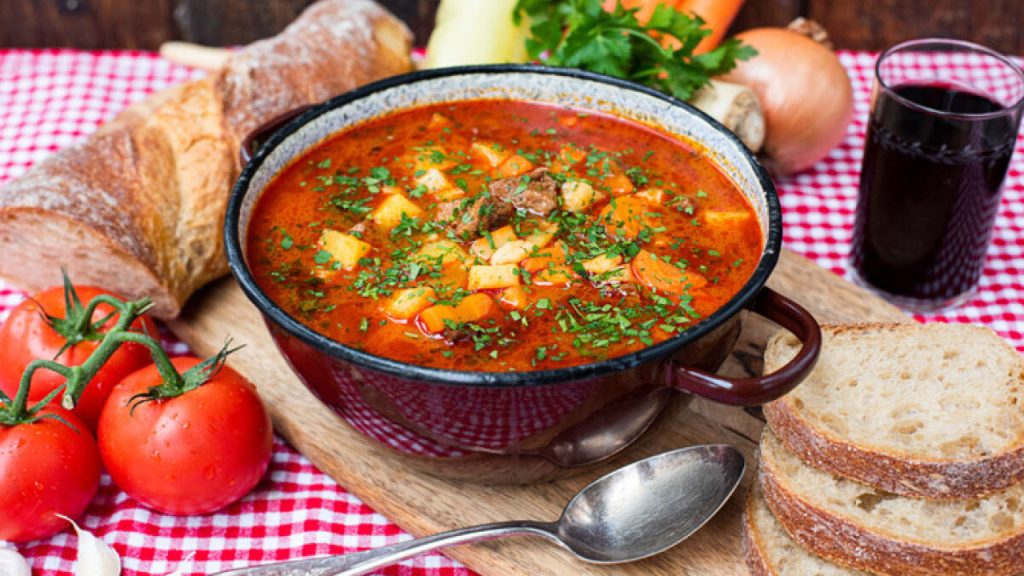
Culinary traditions are defined by robust flavors and the prominent use of paprika. Classic dishes such as goulash, stuffed peppers, and chimney cake reflect regional identity. Wine production also plays a significant role, with the Tokaji region internationally recognized for its historic vintages.
Folk traditions remain an essential aspect of cultural life, expressed through music, dance, crafts, and annual festivals. Rural areas, in particular, preserve these customs, offering insight into longstanding regional heritage and community practices.
Quick Facts About Hungary


Rainfall in Hungary is moderate and relatively evenly distributed throughout the year, without a distinct dry season. Average annual precipitation ranges between 500 and 800 mm, depending on the region.

Daylight hours in Hungary vary significantly throughout the year due to its Central European location. In summer, days are long, with up to 15–16 hours of daylight around June, providing extended periods of natural light.
During winter, daylight is considerably shorter, with approximately 8–9 hours in December. Sunrise occurs later in the morning and sunset arrives early in the afternoon.
Spring and autumn offer more balanced daylight conditions, with gradual transitions in day length. These seasonal variations influence daily life, outdoor activities, and the overall travel experience across the year.


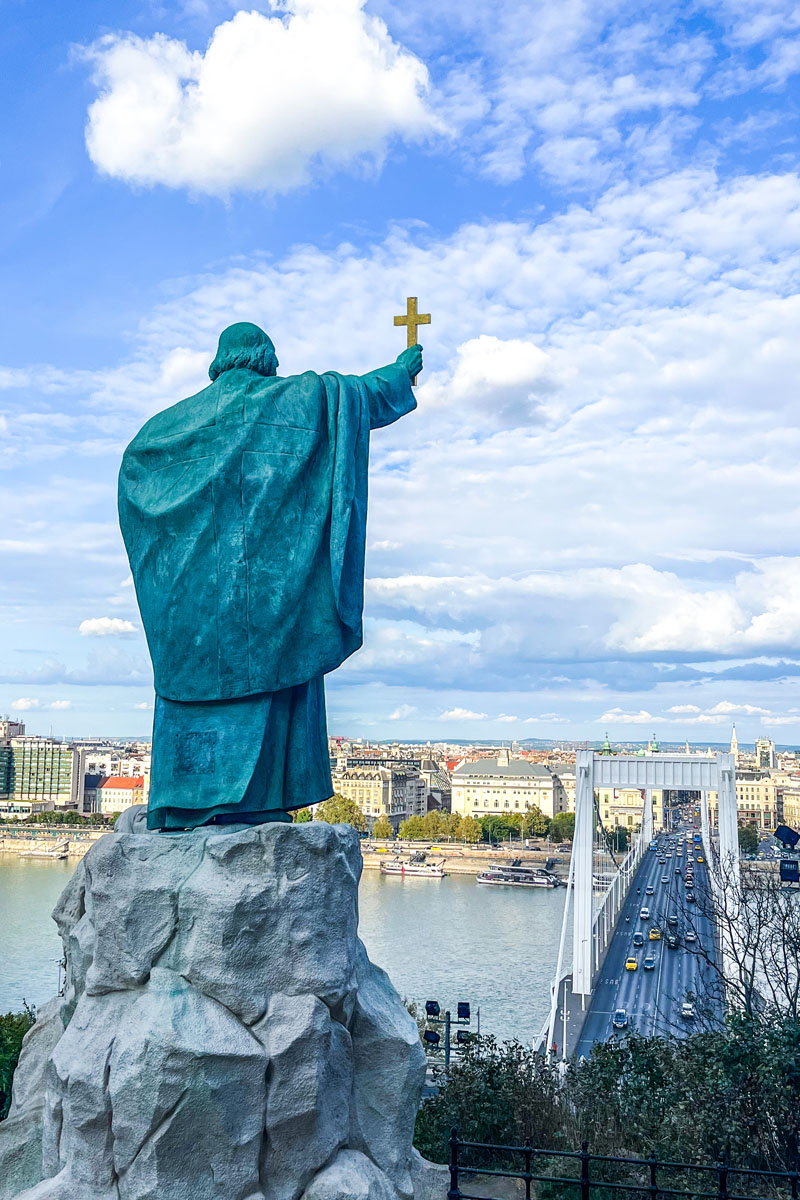

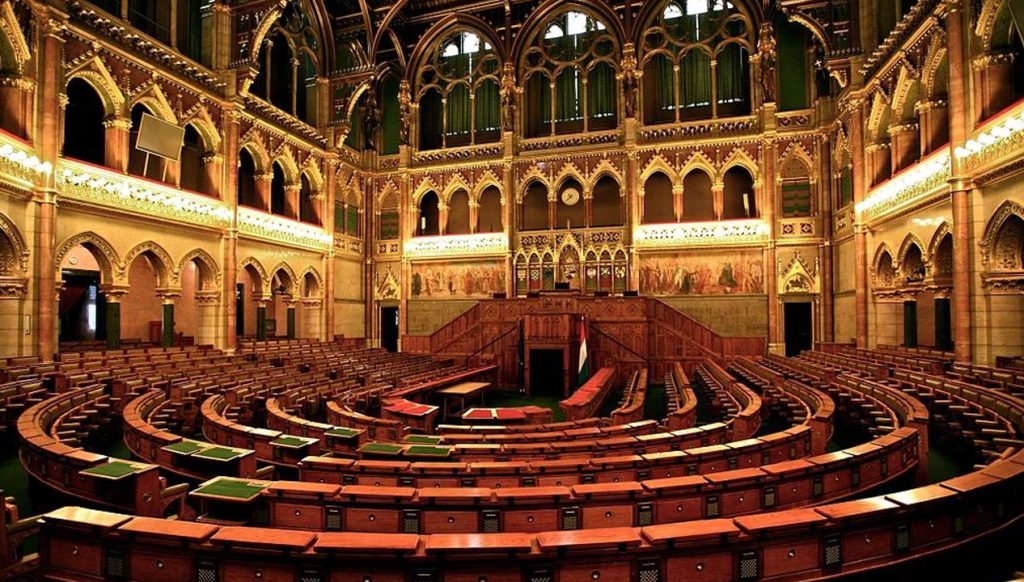
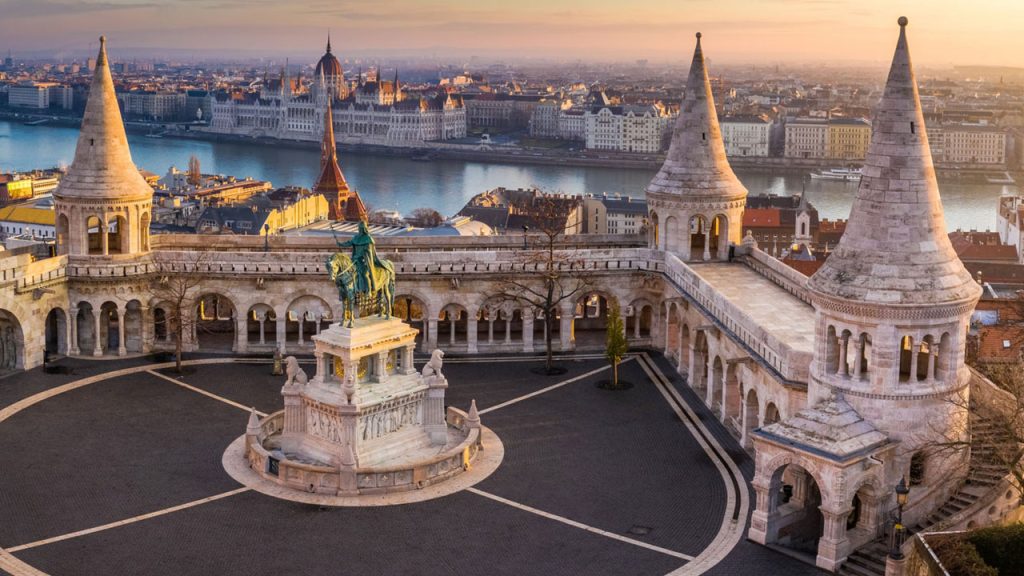
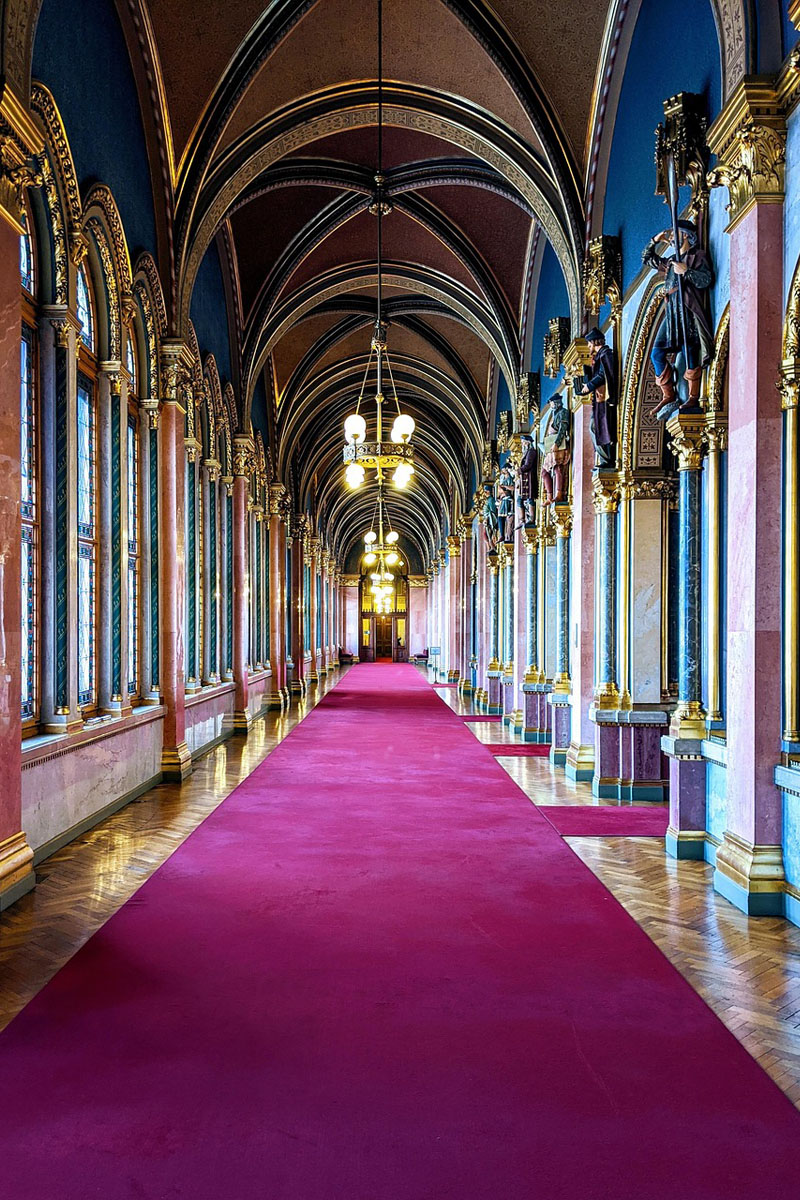
Budapest showcases a diverse architectural heritage, reflecting Gothic, Baroque, Neoclassical, and Art Nouveau styles. Landmark structures such as the Hungarian Parliament, Fisherman’s Bastion, and St. Stephen’s Basilica illustrate the city’s historical and artistic evolution.
The city is located in a geologically rich area with numerous thermal springs. Historic baths such as Széchenyi and Gellért exemplify the integration of therapeutic waters with architectural grandeur, forming an important aspect of local culture and wellness traditions.
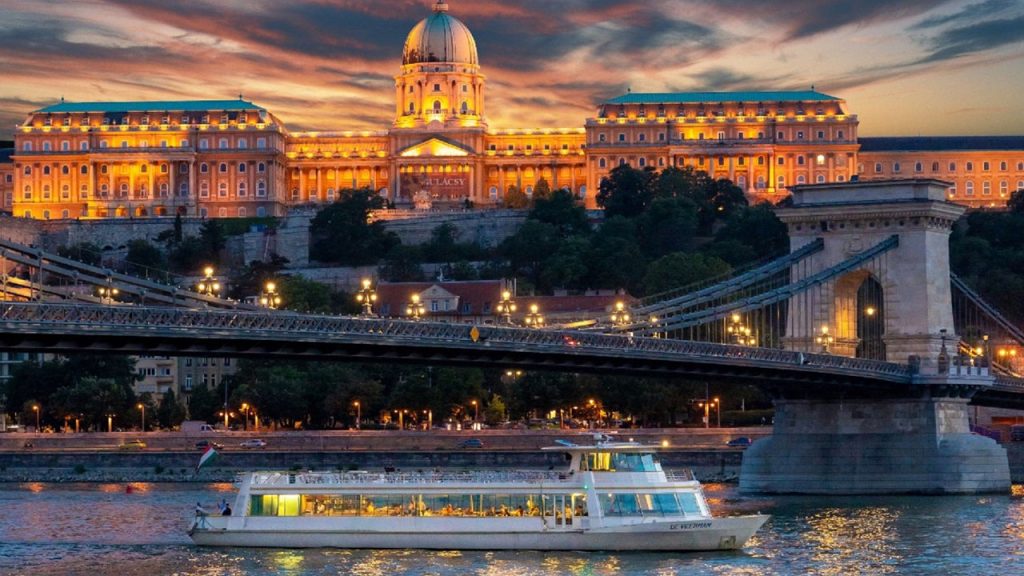
The Danube River divides Buda and Pest, providing a scenic backdrop for the city. Bridges, promenades, and riverside landmarks offer perspectives on Budapest’s urban layout and historical development, with lighting conditions highlighting architectural features at night.
Budapest maintains a rich cultural tapestry, evident in its museums, galleries, historic monuments, and performance traditions. Folk music, dance, and ceremonial customs reflect centuries of Hungarian heritage preserved in both urban and rural contexts.
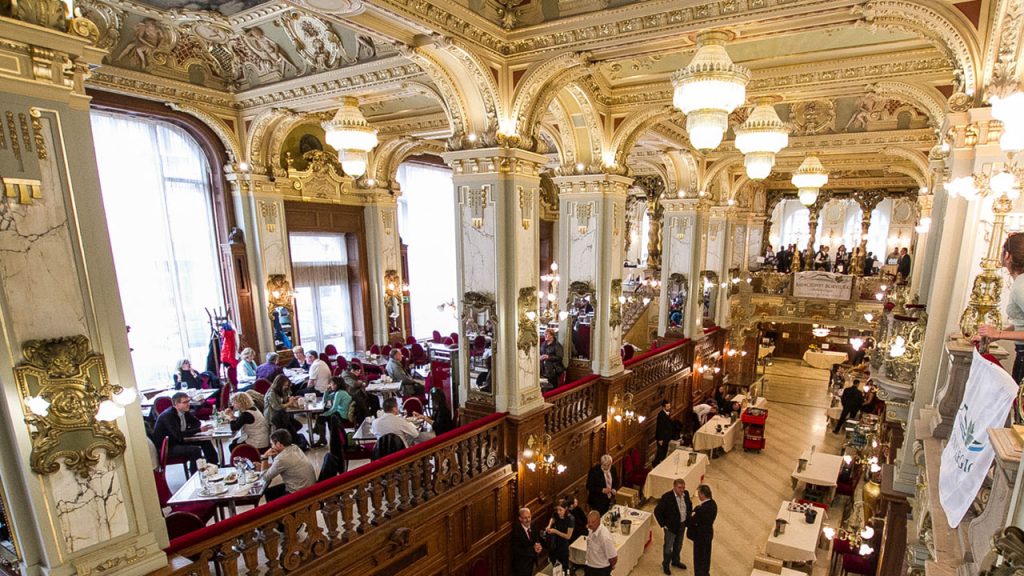
Culinary traditions feature hearty dishes such as goulash, stuffed pastries, and chimney cake. Budapest’s cafés and bakeries have historically served as social and cultural hubs, while wine regions contribute to the country’s gastronomic identity.
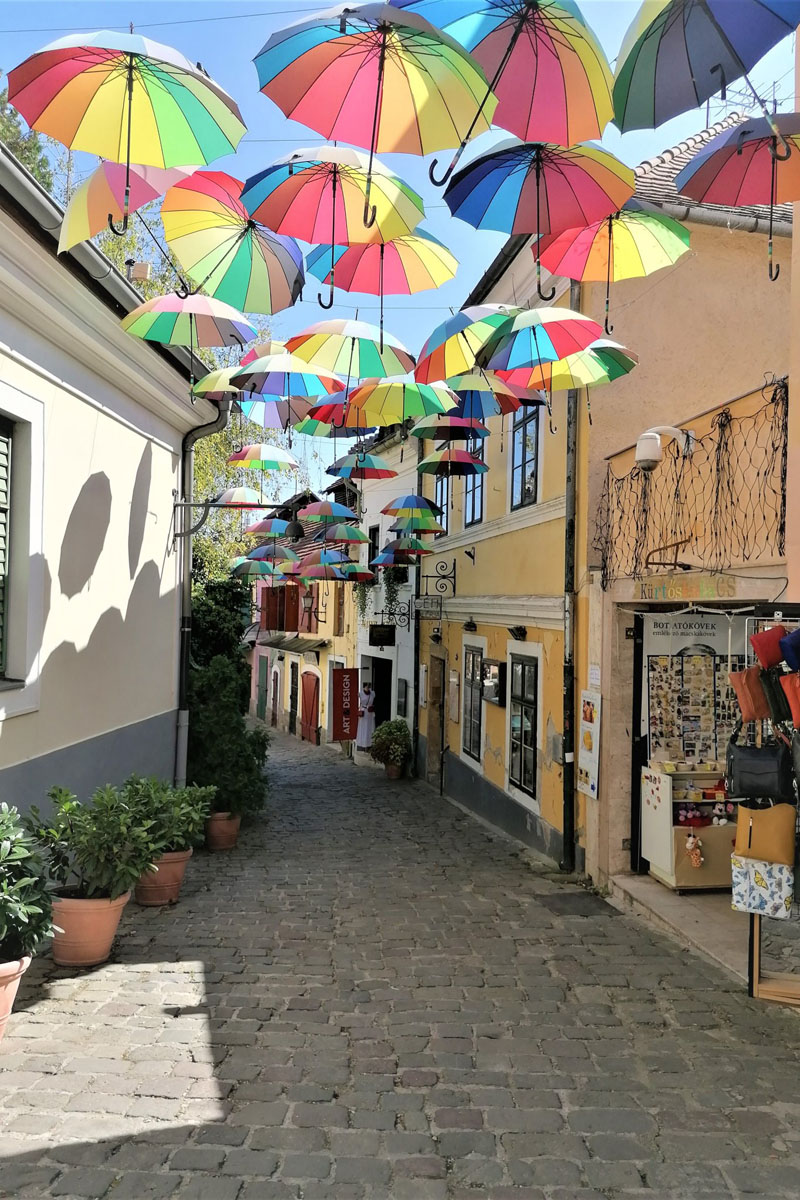
The city’s urban fabric includes diverse markets, boutique streets, and social spaces. Historic marketplaces and contemporary districts illustrate the evolving economic and cultural life of Budapest, complemented by evening venues that reflect local entertainment traditions.
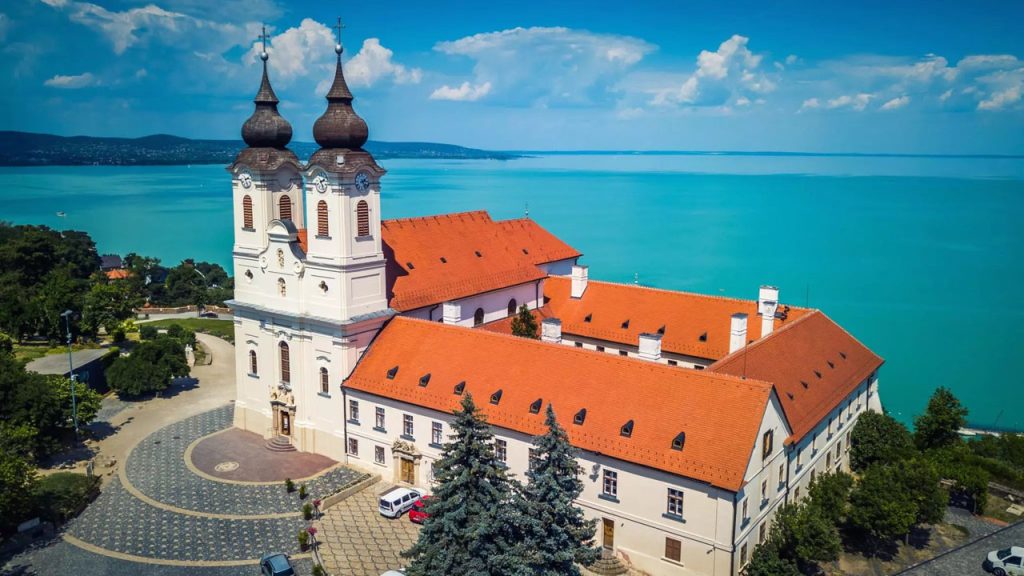
Lake Balaton – The Hungarian Sea Escape to Lake Balaton, Central Europe’s largest lake and…

Budapest – The Pearl of the Danube Welcome to Budapest, a city where Old World…