
Romkocsma – Budapest’s Unique Ruin Bars
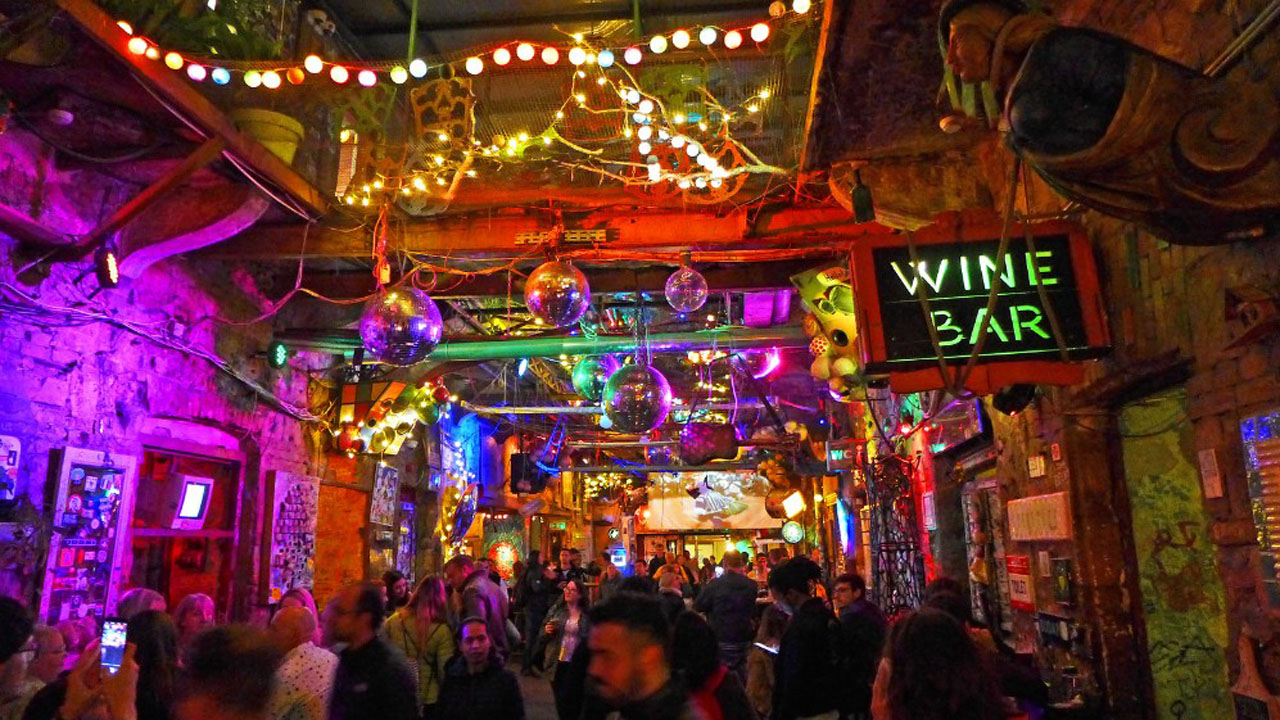
The concept of the Romkocsma is one of the most distinctive features of nightlife in Hungary. Found primarily in the historic Jewish Quarter of Budapest, these “ruin bars” transform abandoned buildings into vibrant, eclectic social spaces.
Origins of the Ruin Bar Culture
Romkocsma literally means “ruin pub.” The idea emerged in the early 2000s, when unused, often semi-derelict buildings in central Budapest were repurposed into bars. Instead of renovating them completely, owners embraced their worn-down character—cracked walls, mismatched furniture, and exposed brick became part of the aesthetic.
This approach created a completely new kind of venue: informal, creative, and constantly evolving.
Atmosphere and Design
What sets a romkocsma apart is its unmistakable atmosphere:
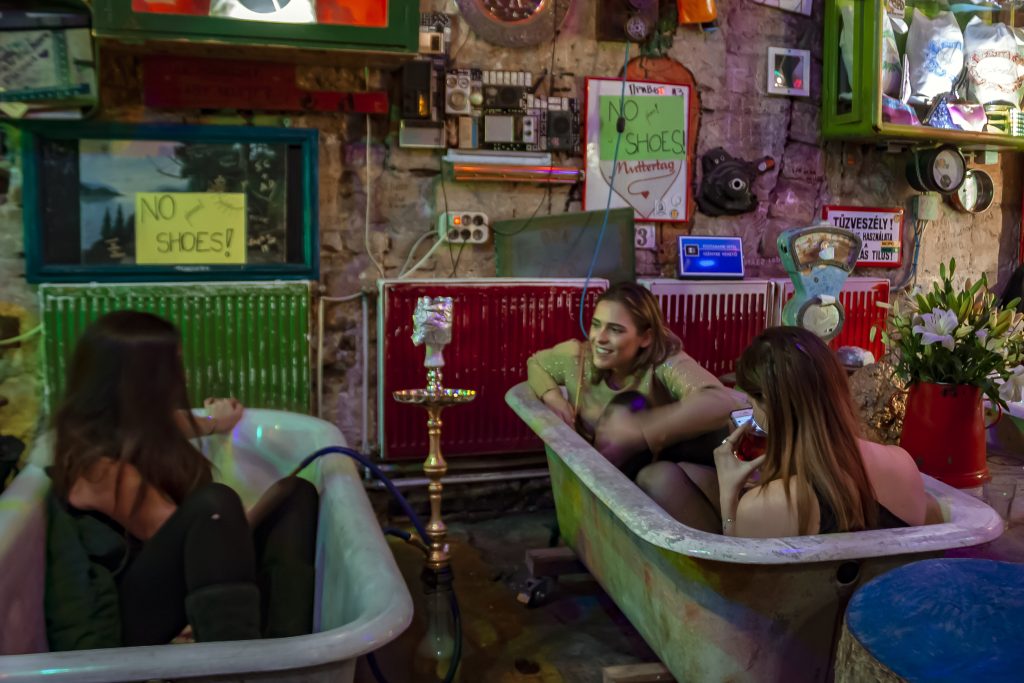
- Eclectic interiors with vintage furniture, graffiti, and art installations
- Multiple rooms, courtyards, and hidden corners
- A mix of indoor and outdoor spaces
- A laid-back, alternative vibe
Each ruin bar feels like a cross between an art gallery, a community space, and a nightlife venue.
Famous Ruin Bars
The most iconic example is Szimpla Kert, often considered the original ruin bar. Located in a former factory building, it features quirky décor, themed rooms, and a lively crowd.
Other notable spots include:
- Instant-Fogas Complex – a large, multi-room party venue
- Mazel Tov – a more refined ruin bar with a restaurant concept
Each venue offers a different interpretation of the ruin bar idea, from relaxed cultural hubs to full-scale nightlife destinations.





What to Expect
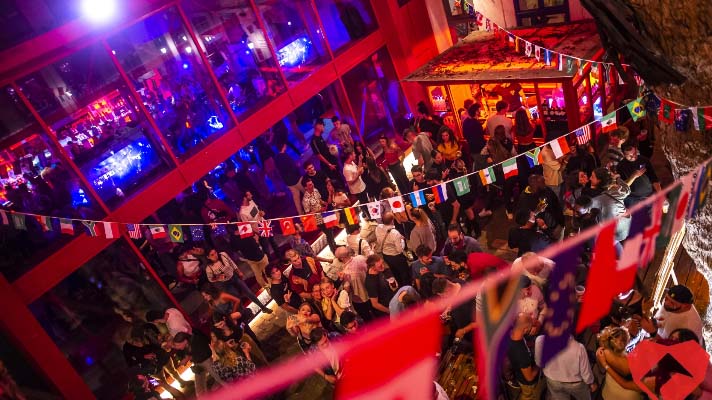
A visit to a romkocsma is more than just having a drink:
- Live music, DJs, or cultural events
- Street food or casual dining options
- A mix of locals and international visitors
- An informal, welcoming environment
Many ruin bars also host markets, film screenings, and exhibitions, making them active cultural spaces during the day as well.
Why They’re So Popular
Ruin bars have become a symbol of modern Budapest because they combine:
- Creativity and reuse of historic buildings
- A relaxed, unpretentious atmosphere
- Affordable drinks and diverse entertainment
They reflect the city’s ability to blend history with contemporary culture in a unique and engaging way.