Power plugs and weather are helpful— but knowing which currency to use is just as essential when traveling. Here’s your quick, practical guide:
💱 What Currency Is Used?
Country
Currency
ISO Code
🇦🇹 Austria
Euro
EUR
🇸🇰 Slovakia
Euro
EUR
🇸🇮 Slovenia
Euro
EUR
🇭🇷 Croatia
Euro (since 2023)
EUR
🇩🇪 Germany
Euro
EUR
🇮🇹 Italy
Euro
EUR
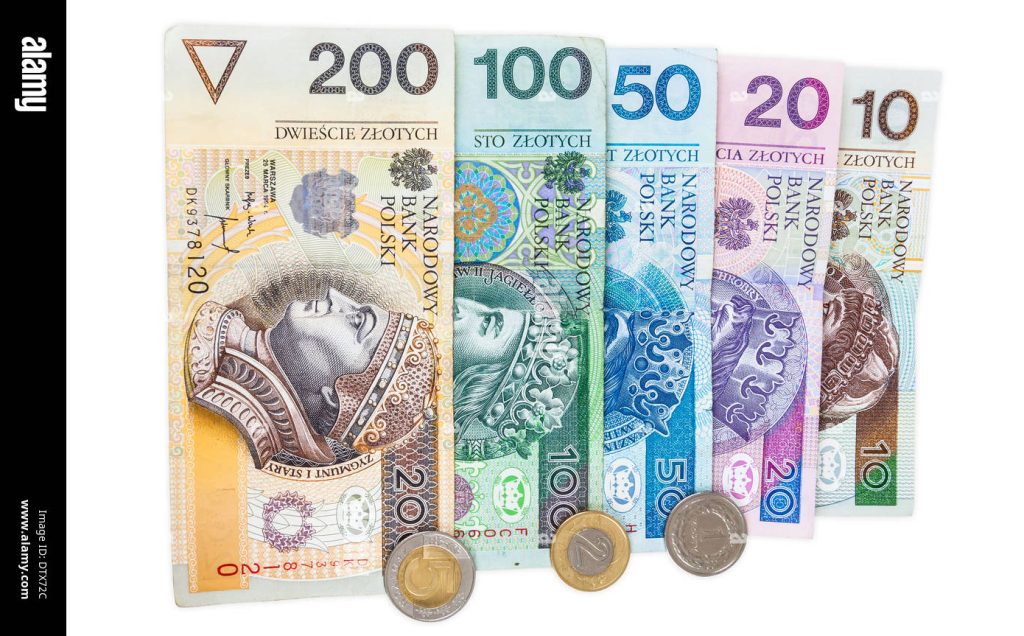
🇵🇱 Poland
Polish Złoty
PLN
🇨🇿 Czech Republic
Czech Koruna
CZK
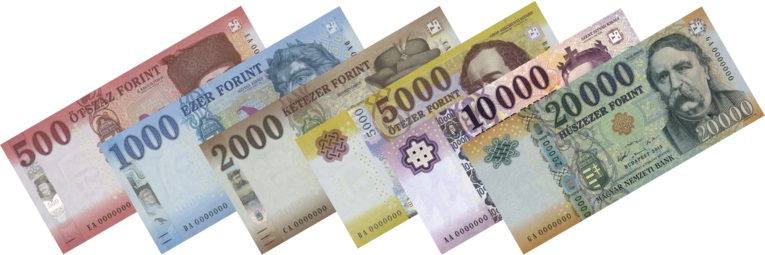
🇭🇺 Hungary
Hungarian Forint
HUF
💡 Only Poland, Czech Republic, and Hungary do not use the Euro.
💳 Card or Cash?
Credit/debit cards are accepted in most places (especially in Eurozone countries).
In Poland, Czechia, and Hungary, cash is still preferred in smaller shops, markets, and countryside areas.
Always carry some local currency, especially outside big cities.
💸 Exchange & ATM Tips
❌ Avoid exchanging cash at airports or tourist traps – the rates are very poor.
❌ Never change money on the street — this is illegal and often a scam (fake bills, bait-and-switch tactics).
❌ Never change money at popular touristic places.
✅ Use bank-owned ATMs (e.g., OTP, Erste, UniCredit). Avoid Euronet or standalone machines in souvenir shops or supermarkets.
⚠️ When paying or withdrawing, you’ll be asked: “Convert to your home currency?” ➤ Always say NO. ➤ Choose local currency (HUF, CZK, PLN) to avoid hidden fees.
🪙 Can I Pay in Euros in Non-Euro Countries?
In Hungary, Poland, and Czechia, some tourist shops may accept Euros, but:
❌ Exchange rates are terrible
❌ Change is usually given in local currency
❌ You may lose money in the conversion
✅ Use Euros only for quick border transits, not shopping
✅ Quick Takeaways
✔️ Bring a travel card with no foreign transaction fees
✔️ Use local currency in each country
✔️ Decline currency conversion offers at ATMs or terminals
✔️ Prefer bank ATMs, not private ones
✔️ Euro is accepted in Austria, Slovakia, Slovenia, Croatia, Italy, Germany