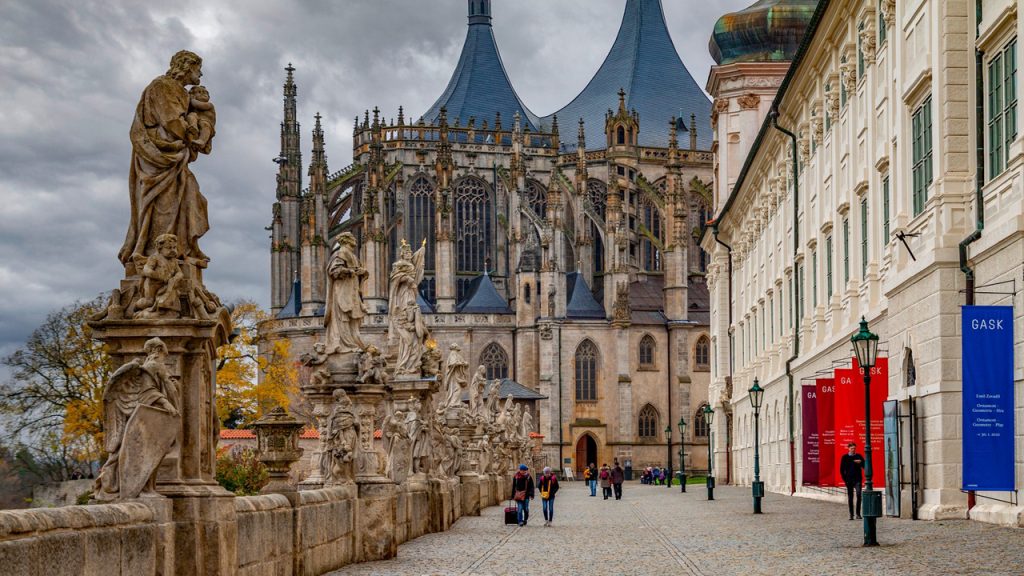
Kutna Hora
Historically and architecturally celebrated, Kutná Hora and its Sedlec district represent one of the Czech…
Our site is under maintenance right now.
We are rebuilding or webpage to provide you more relevant information.
Please note some functions are not available, and some page might not display properly yet.
We are working hard to finish it soon.
Thank you.

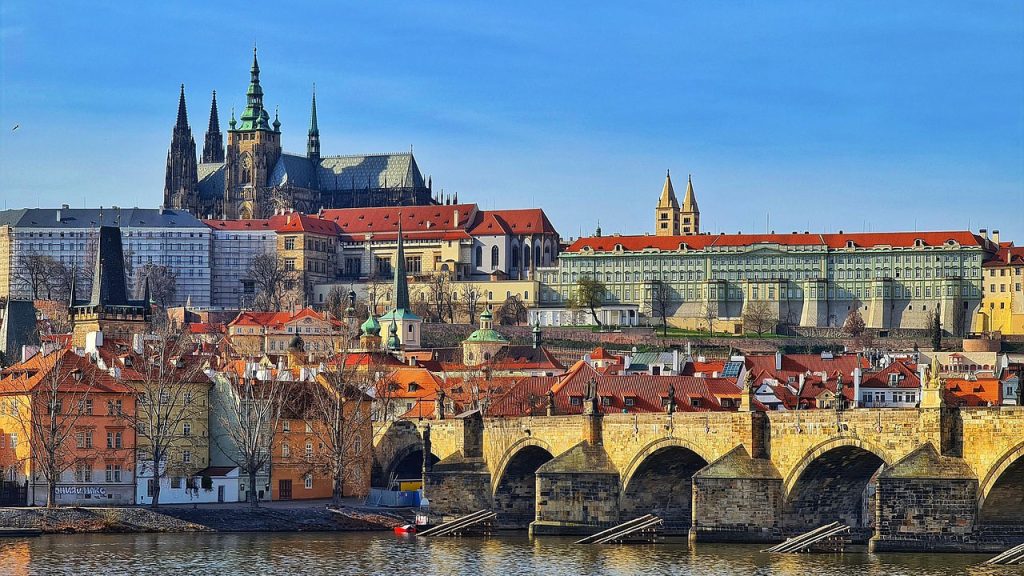
From the rolling hills of Bohemia to the fairy-tale streets of Prague, the Czech Republic offers a magical blend of history, culture, and timeless charm. Whether you’re wandering medieval towns, exploring majestic castles, or strolling along the Vltava River, Czechia invites you to experience Europe at its most enchanting.
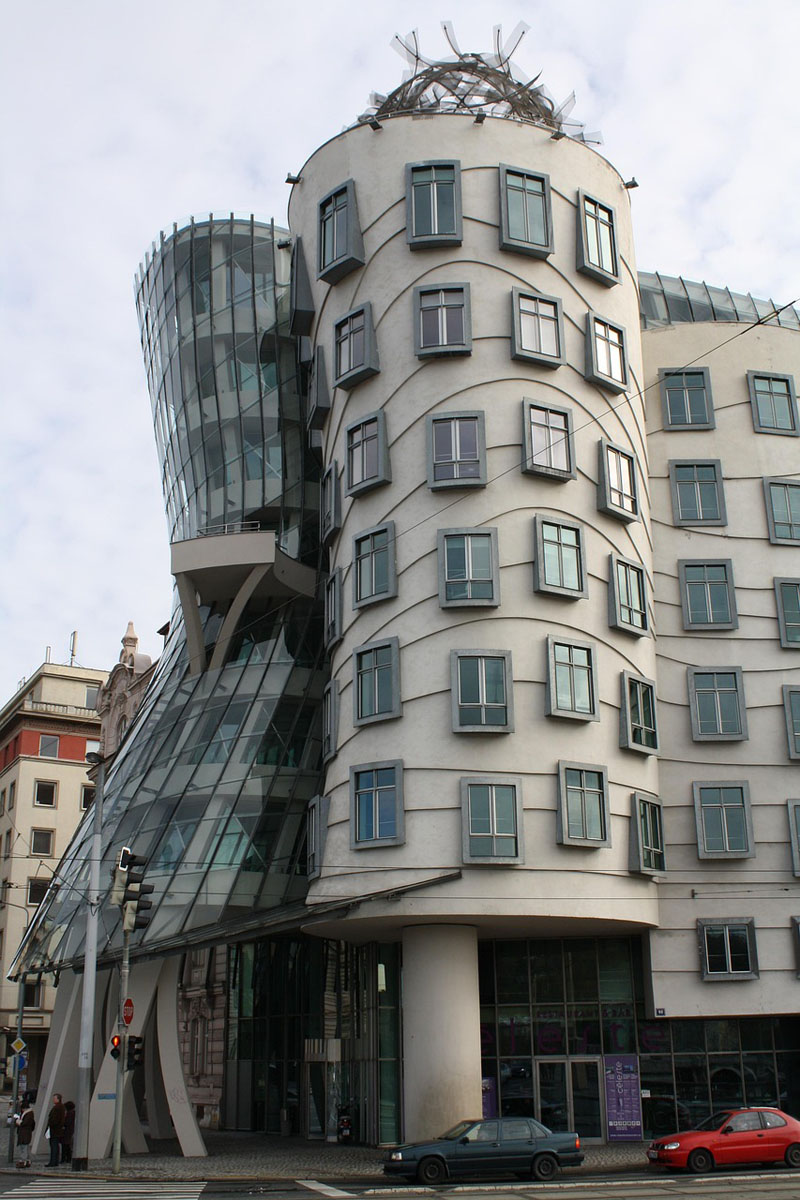
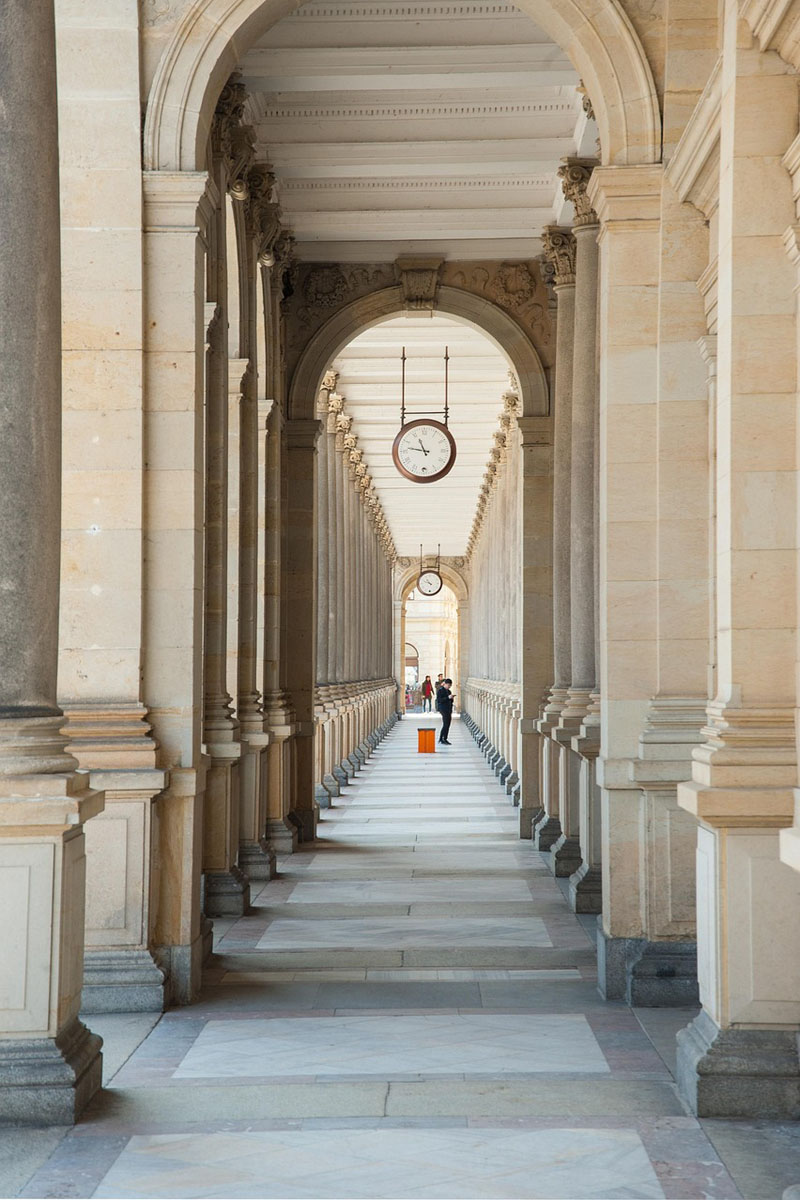
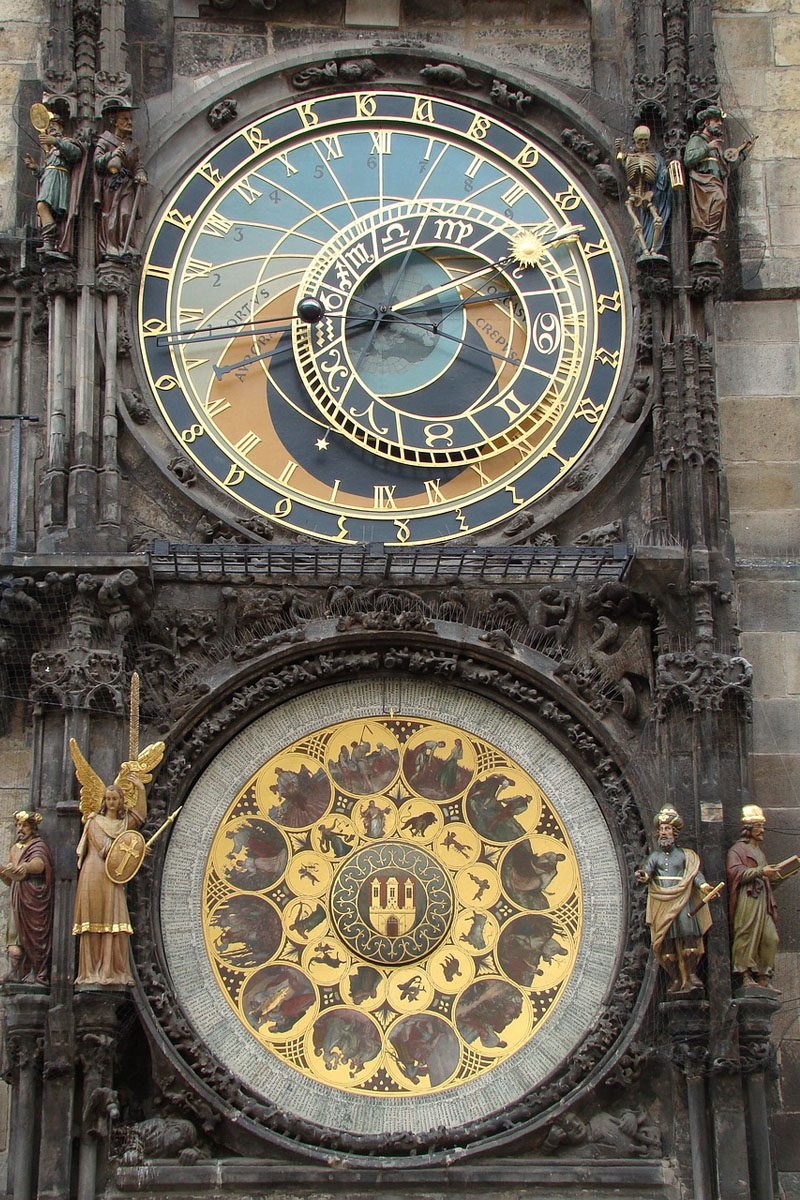
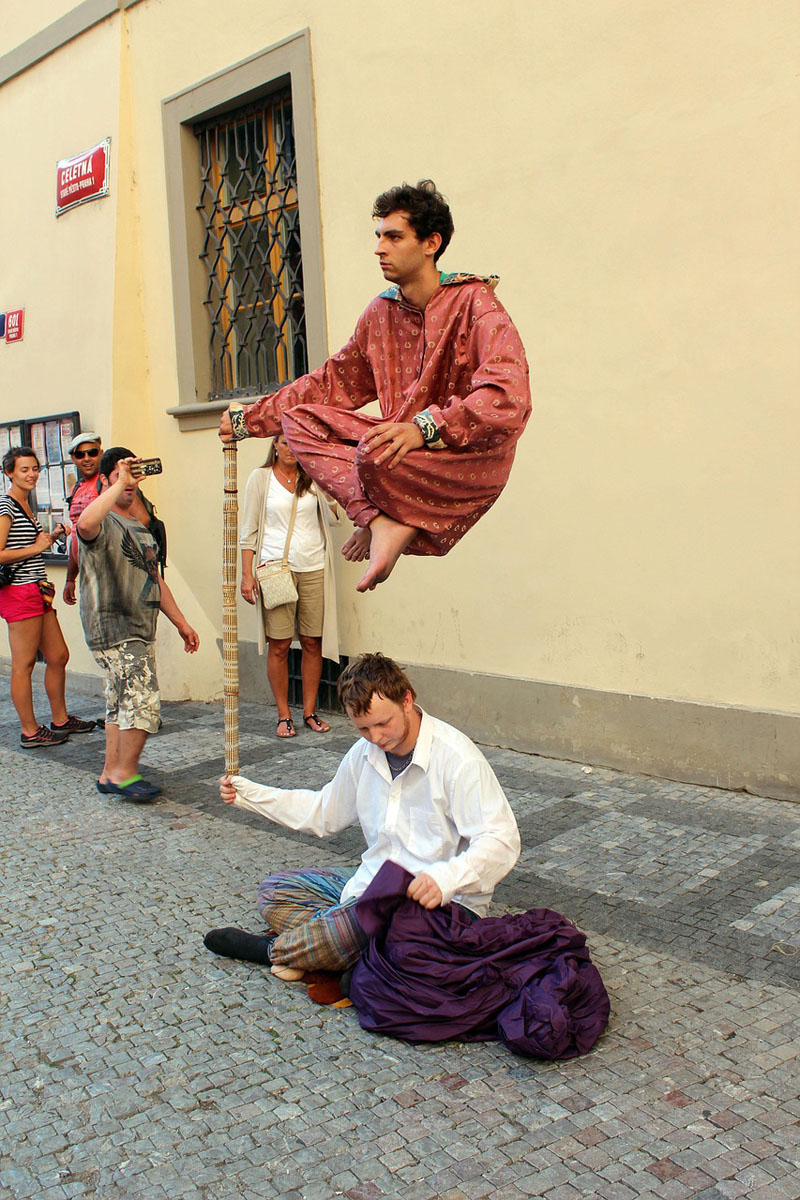
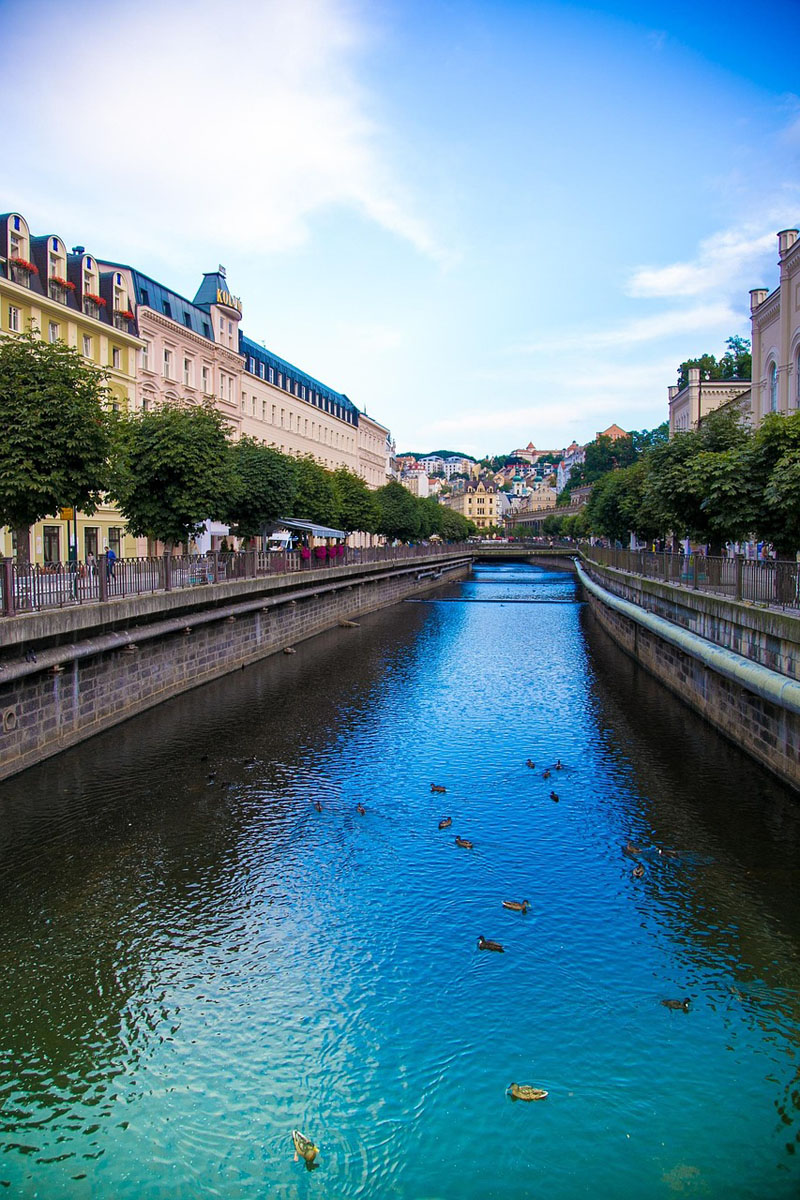
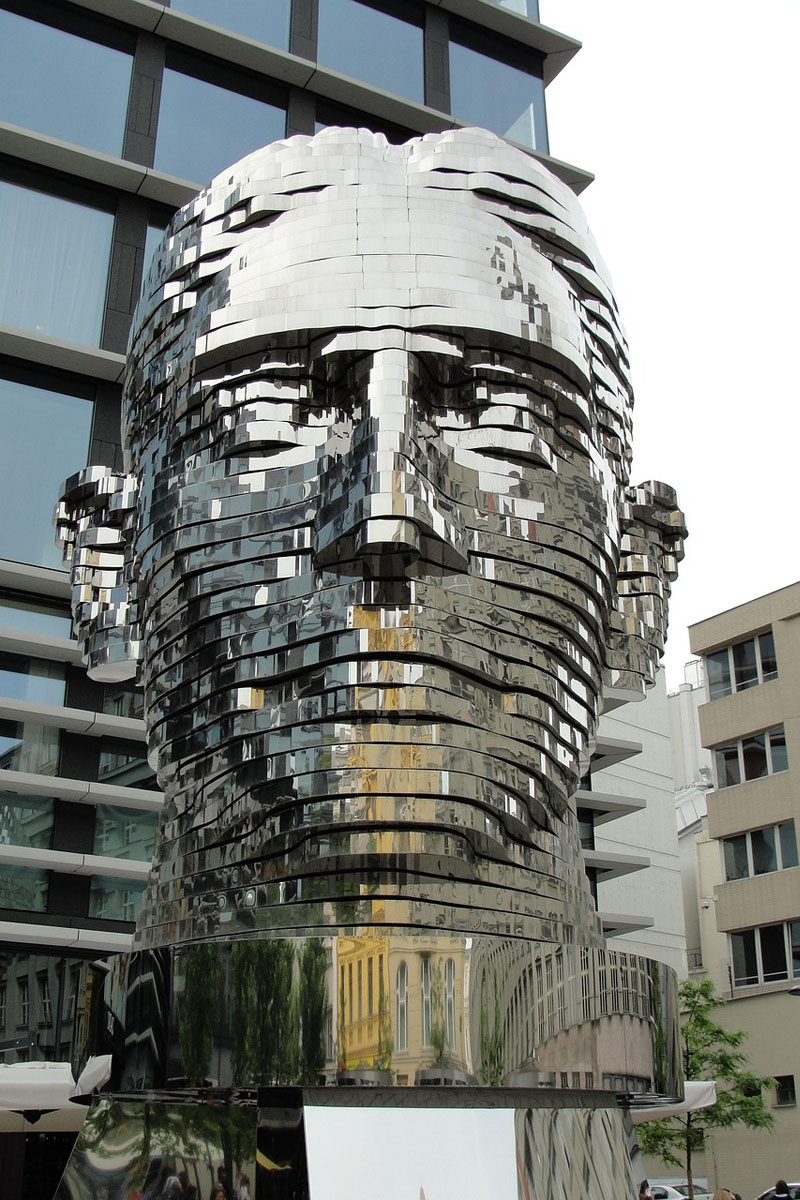
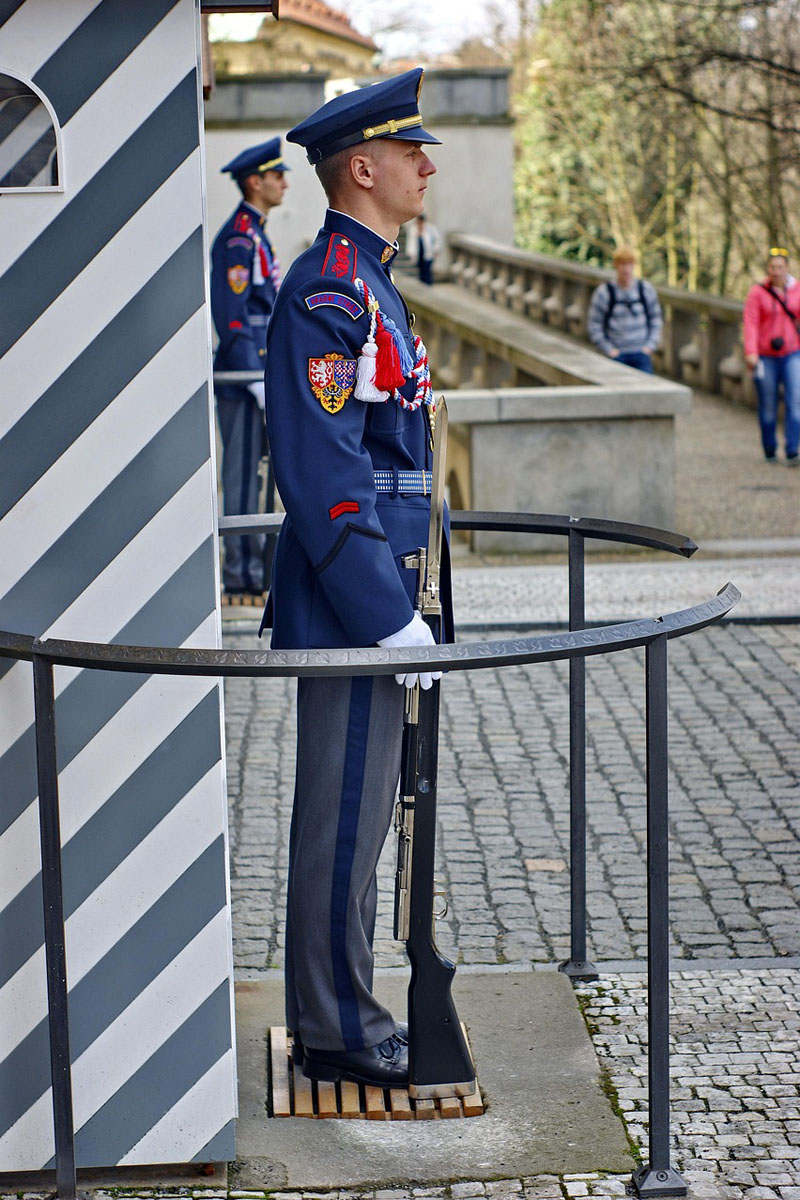
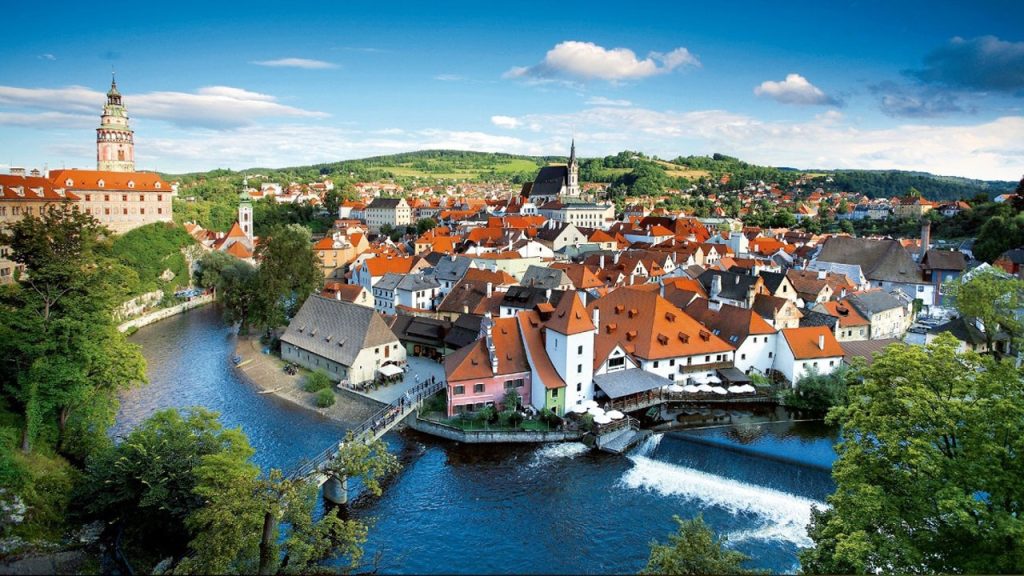
The Czech Republic has a layered historical heritage shaped by medieval kingdoms, the Habsburg monarchy, and modern European developments. Gothic cathedrals, Baroque squares, and numerous UNESCO World Heritage sites punctuate the landscape, with Prague, Český Krumlov, and Kutná Hora standing out for their architectural and cultural significance.
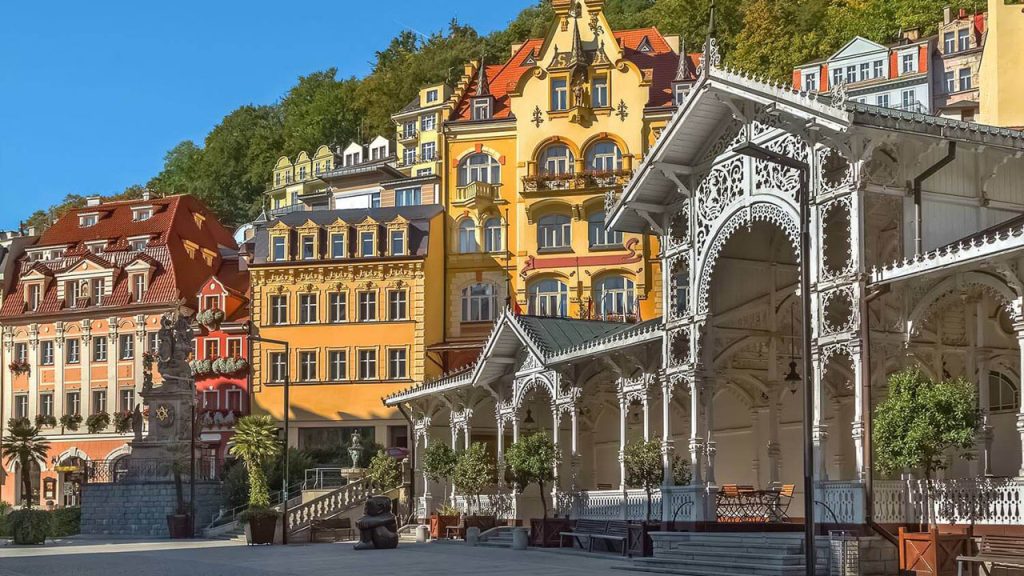
The country is known for its spa towns, many of which date back to the 19th century. Locations such as Karlovy Vary, Mariánské Lázně, and Františkovy Lázně combine natural mineral springs with historical spa architecture, reflecting a long-standing wellness tradition.
Although lacking large lakes like Lake Balaton, the Czech Republic has numerous rivers and smaller lakes that provide recreational and cultural opportunities. The Vltava and Elbe rivers are central to urban and rural landscapes, while reservoirs and ponds contribute to leisure, fishing, and ecological diversity.
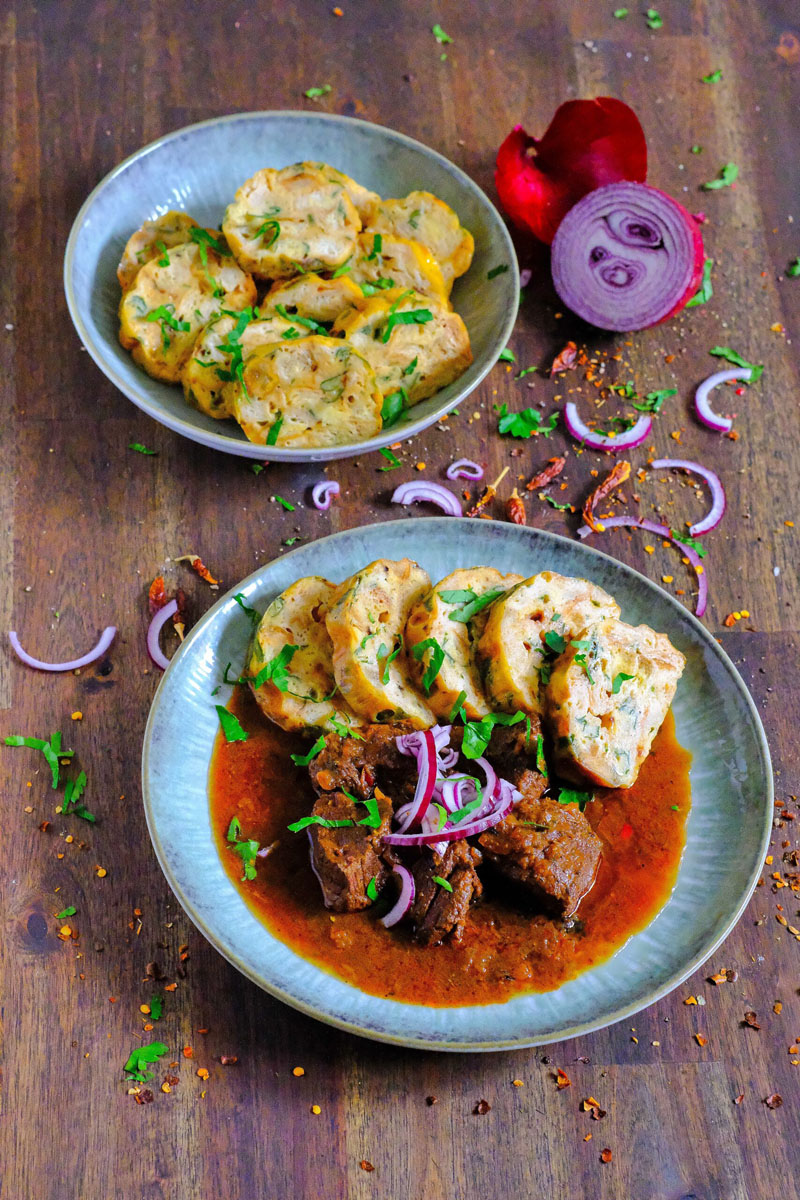
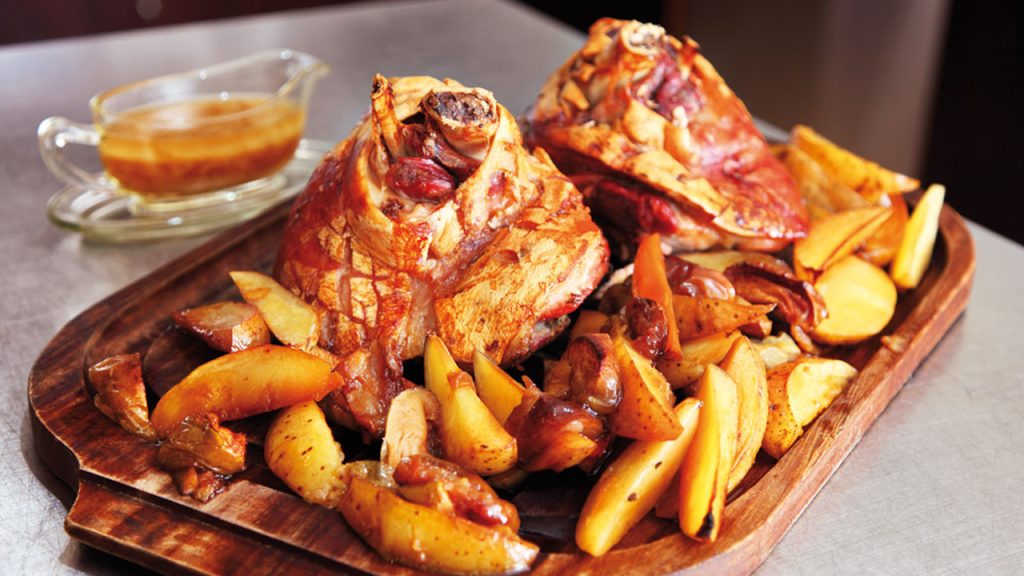
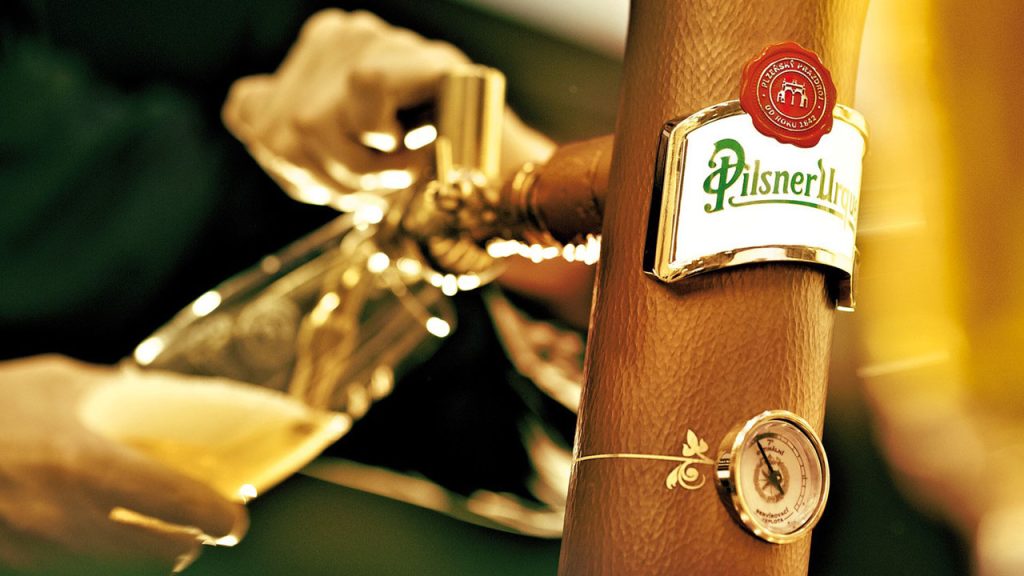
Czech cuisine features hearty dishes such as roast pork with dumplings, fried cheese (smažený sýr) and svíčková (marinated beef). The country is internationally renowned for its beer culture, with pilsners and local brews forming a significant part of culinary and social traditions.
Folk traditions are preserved through music, dance, and seasonal festivals, particularly in rural regions. Cultural events often highlight traditional crafts, regional costumes, and community celebrations, offering insight into longstanding local heritage.
Quick Facts About the Czech Republic
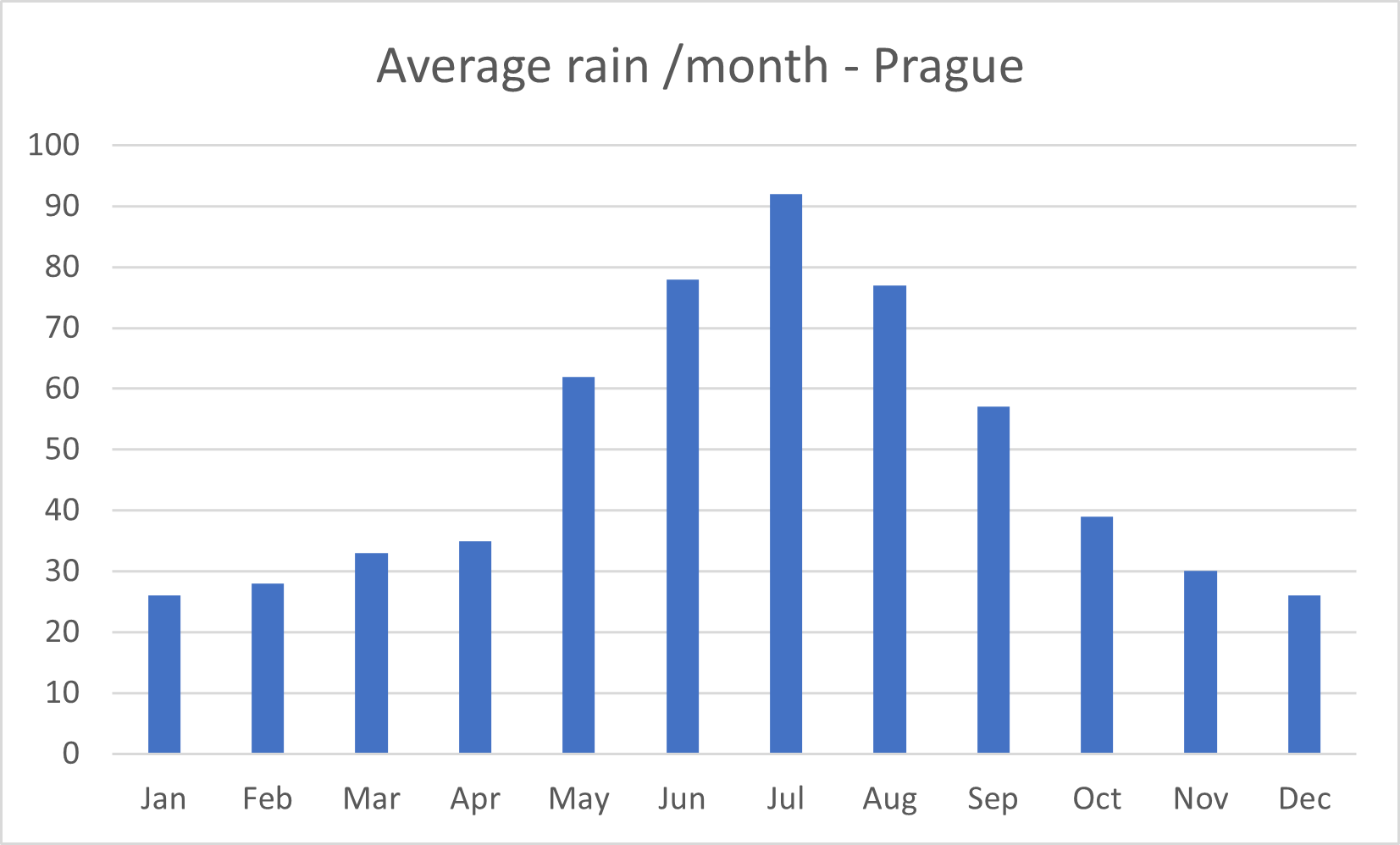
Rainfall is moderate and relatively evenly distributed throughout the year, with slightly higher precipitation in late spring and early summer. Annual totals generally range between 500 and 700 mm, supporting the country’s agriculture and natural landscapes.
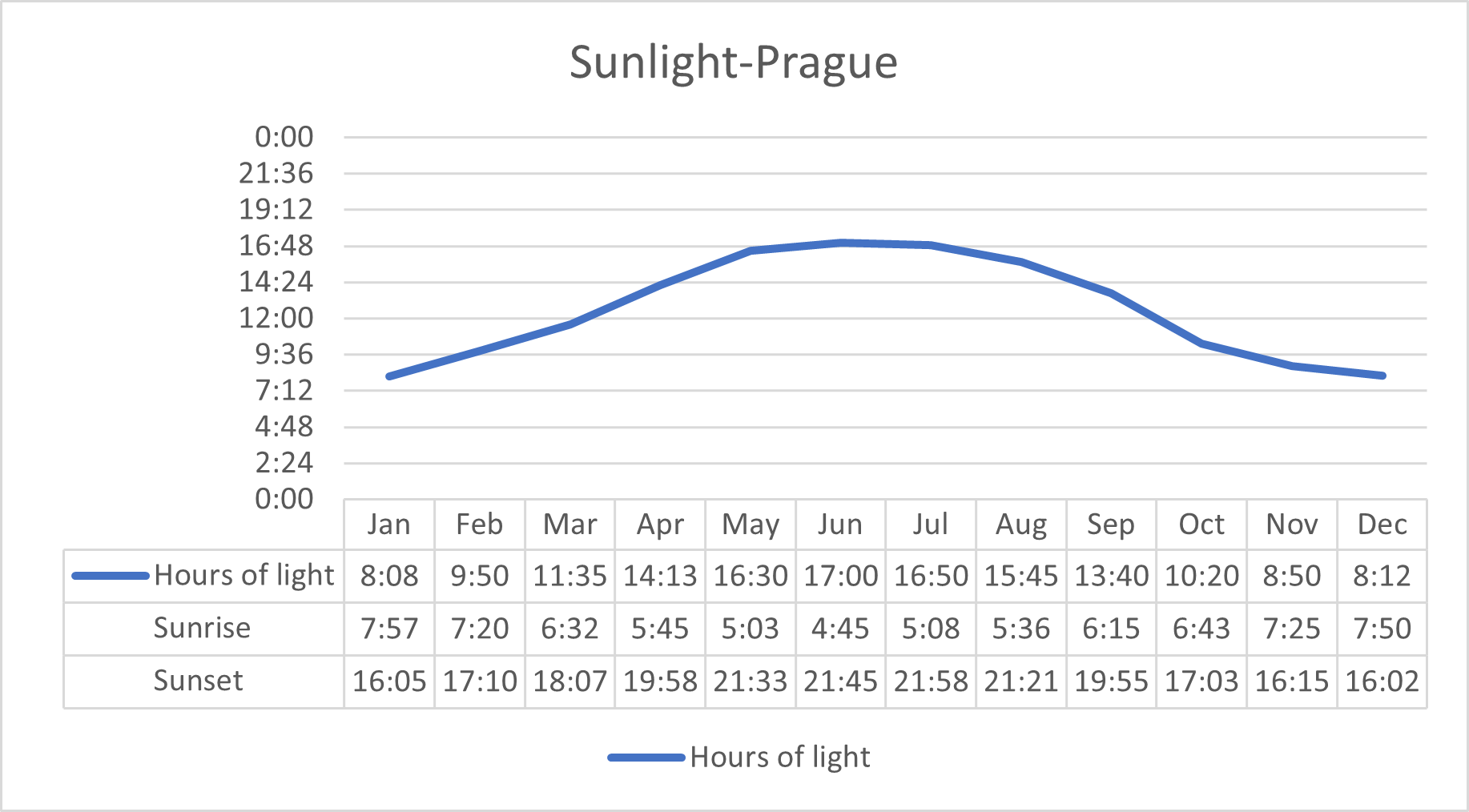
Daylight hours in the Czech Republic vary across the seasons. In summer, days can last up to 16 hours, offering extended natural light for outdoor activities.
During winter, daylight is shorter, with around 8 hours in December. Sunrise is later in the morning and sunset arrives early in the afternoon.
Spring and autumn provide more balanced day lengths, with gradual changes in sunlight influencing daily life, agriculture, and leisure opportunities.
Prague exhibits a diverse architectural heritage, encompassing Gothic spires, Baroque palaces, Renaissance courtyards, and Art Nouveau buildings. Notable landmarks include Prague Castle, St. Vitus Cathedral, and Charles Bridge, reflecting the city’s historical evolution and artistic achievements.
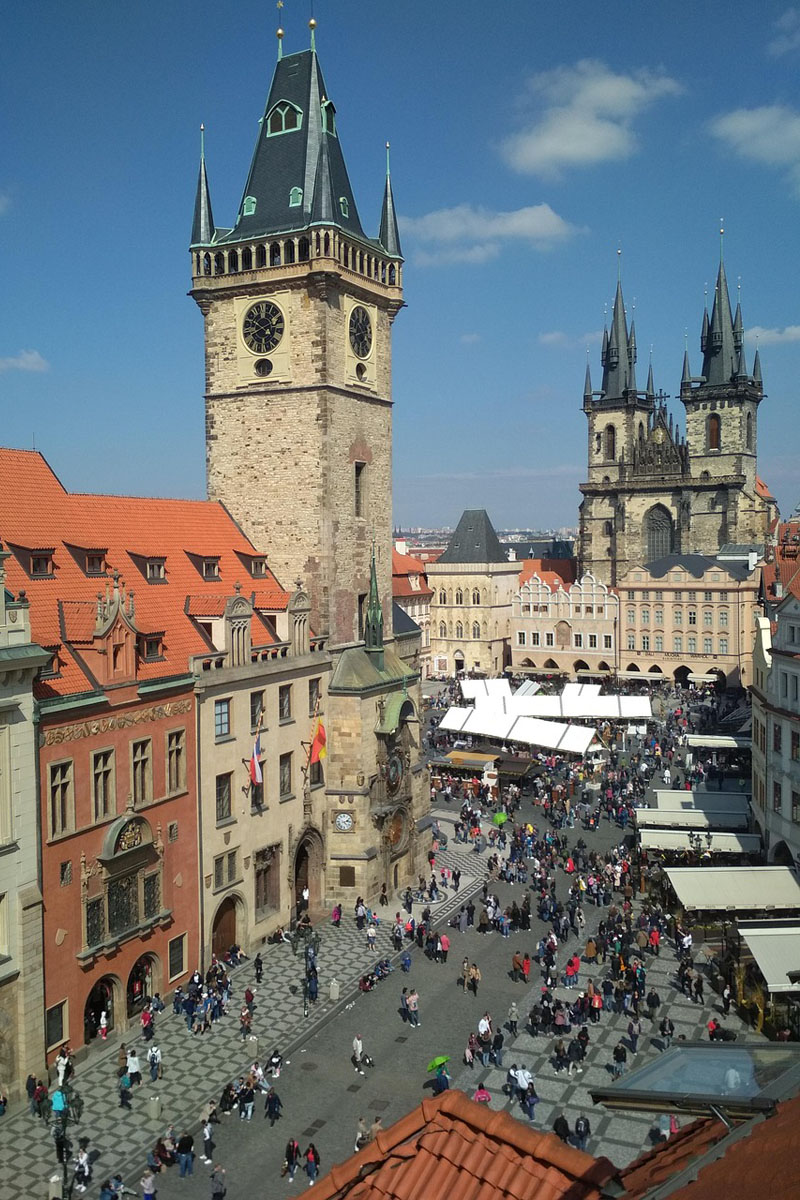
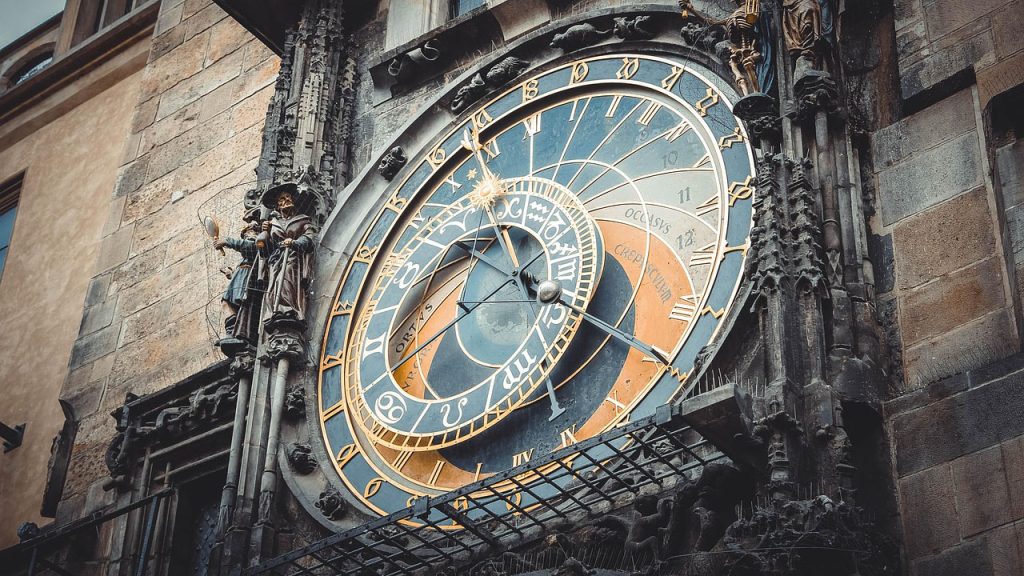
The UNESCO-listed Old Town preserves medieval streets, squares, and historic buildings. Key sites include the Astronomical Clock Square, the lanes of Mala Strana, and Charles Bridge. During the reign of King Charles IV, Prague became a major cultural and political center of Europe, shaping the city’s long-standing heritage.
The Vltava River flows through the city, providing scenic vistas and linking historic districts. Panoramic views can be observed from Petřín Hill, while urban green spaces such as Letná Park and Kampa Island offer tranquil escapes within the cityscape.
Prague hosts a rich cultural environment, including classical music venues such as the Rudolfinum, contemporary art exhibitions, and jazz clubs. The city’s artistic traditions have developed over centuries, reflecting its historical role as a center of European arts and education.
Traditional Czech cuisine features dishes such as roast pork with dumplings, svíčková (marinated beef), fried cheese (smažený sýr), and Medovník, a layered honey cake with caramel or nut fillings. Cafés and historic restaurants throughout the city illustrate the social and cultural role of gastronomy in Prague.
Prague’s urban areas include historic marketplaces, boutique streets, and public squares. Markets and commercial districts highlight both traditional crafts and contemporary commerce, while evening venues reflect local entertainment culture.
King Charles IV, Holy Roman Emperor, significantly shaped Prague’s development. His initiatives included founding Charles University, commissioning Charles Bridge, and establishing the city as a center of political and cultural influence in Central Europe. His impact remains visible in Prague’s architecture, institutions, and urban planning.

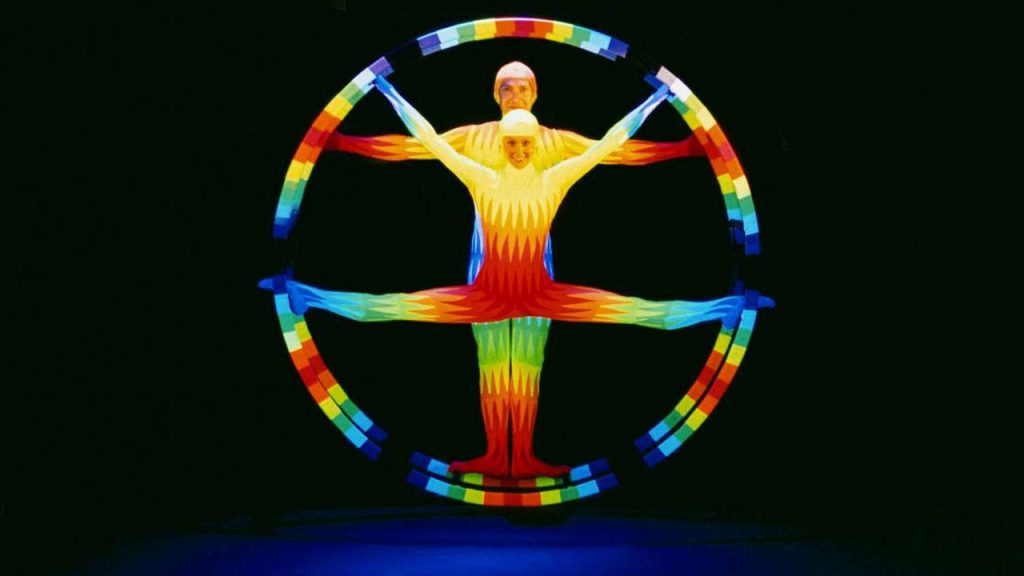
The Magic Behind Black Light Theatre Despite its name, Black Light Theatre doesn’t actually use…