
Pilsner Urquell – The Original Pilsner Beer
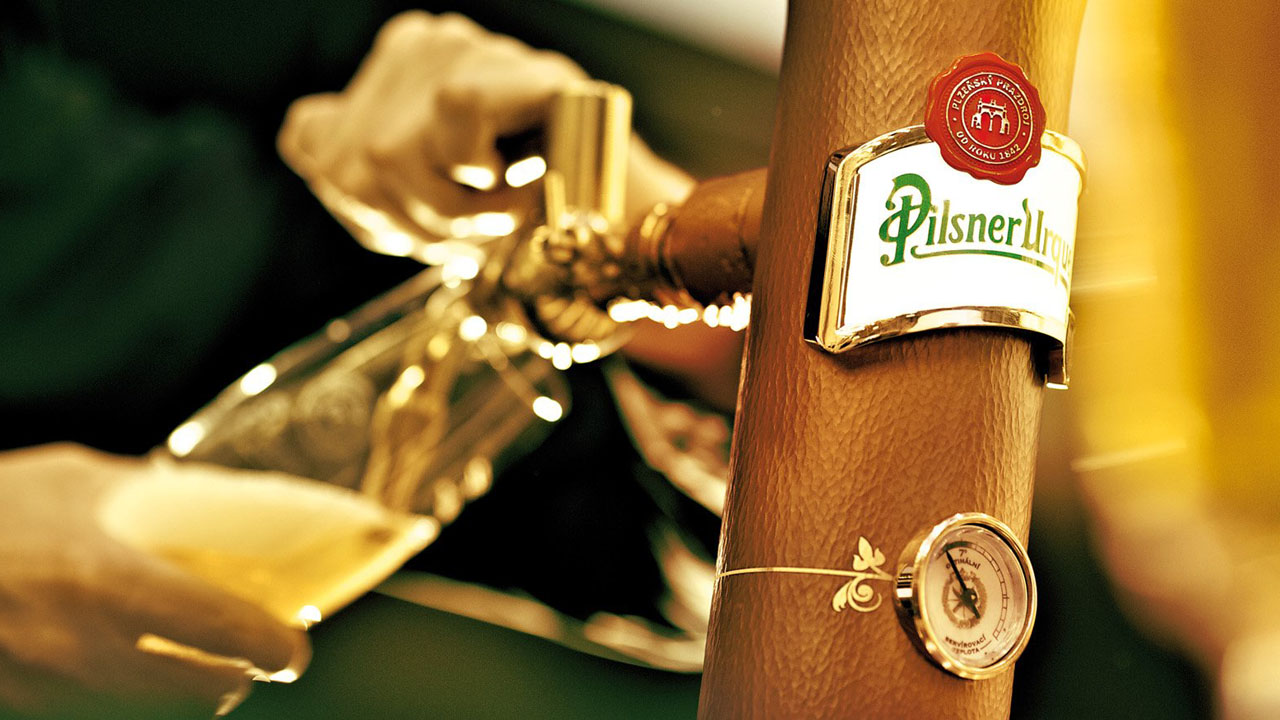
Globally recognized for its historical significance, distinctive brewing method, and enduring influence, Pilsner Urquell is widely regarded as the world’s first pale lager. Originating in the city of Plzeň in 1842, it established the foundation for the pilsner style that dominates modern beer production.
Globally recognized for its historical significance, distinctive brewing method, and enduring influence, Pilsner Urquell is widely regarded as the world’s first pale lager. Originating in the city of Plzeň in 1842, it established the foundation for the pilsner style that dominates modern beer production.
Created by Bavarian brewer Josef Groll, Pilsner Urquell introduced a revolutionary brewing technique using pale malt, soft local water, and Saaz hops. This combination produced a clear, golden beer with a balanced bitterness and aromatic profile, distinguishing it from the darker, heavier beers common at the time.
The name “Urquell,” meaning “original source,” reflects its role as the prototype for pilsner beers worldwide. The term “pilsner” itself derives from the city of Plzeň (Pilsen), indicating a beer originating from this region, and was later shortened internationally to “pils.” As a result, a significant proportion of beers produced globally today follow this style, underscoring its lasting influence on brewing traditions.
Beer holds a central place in Czech culture, with the Czech Republic consistently ranking among the highest beer-consuming nations in the world, with an average annual consumption of around 140–160 liters per person. This strong tradition further highlights the cultural importance of beers like Pilsner Urquell within everyday life.
Pilsner Urquell continues to be brewed using traditional methods, including open fermentation and maturation in oak barrels, preserving its authentic character. The brewery remains a major cultural and industrial landmark, attracting visitors interested in both Czech heritage and the evolution of beer.