
Pizza – A Defining Element of Italian Culinary Tradition
Originating in Naples, pizza is one of the most widely recognized and influential dishes in global cuisine. Its development is closely tied to the culinary traditions of southern Italy, where simple ingredients and regional techniques shaped its early form.
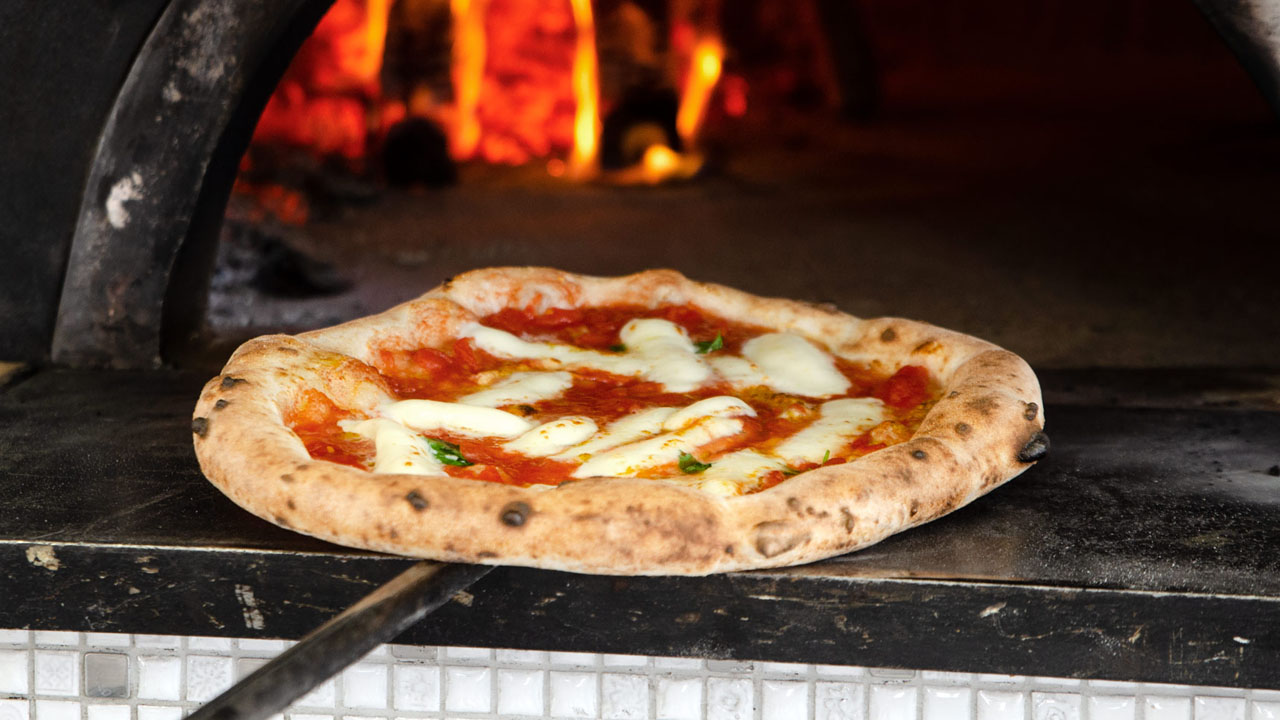
Traditional pizza is characterized by a thin, hand-stretched dough base topped with a combination of tomatoes, olive oil, and cheese. One of the most iconic varieties, Pizza Margherita, reflects the colors of the Italian flag through its use of tomatoes, mozzarella, and basil. The preparation method—baking in a high-temperature wood-fired oven—remains central to authentic Neapolitan pizza.
Over time, pizza has evolved into numerous regional and international variations. Within Italy, distinctions can be observed between Neapolitan styles, known for their soft and airy crusts, and Roman-style pizza, which often features a thinner, crispier base. Beyond Italy, adaptations have introduced a wide range of toppings and preparation methods, reflecting local tastes and culinary innovation.
The cultural significance of pizza extends beyond its ingredients. It represents a balance of tradition and adaptability, with its origins preserved through protected standards such as those governing authentic Neapolitan pizza. At the same time, its global spread has made it a versatile and accessible dish found in diverse culinary contexts.
Today, pizza continues to serve as both a symbol of Italian heritage and a dynamic element of contemporary food culture, bridging regional authenticity with international appeal.