
The Dolomites – Alpine Landscapes of Distinctive Beauty
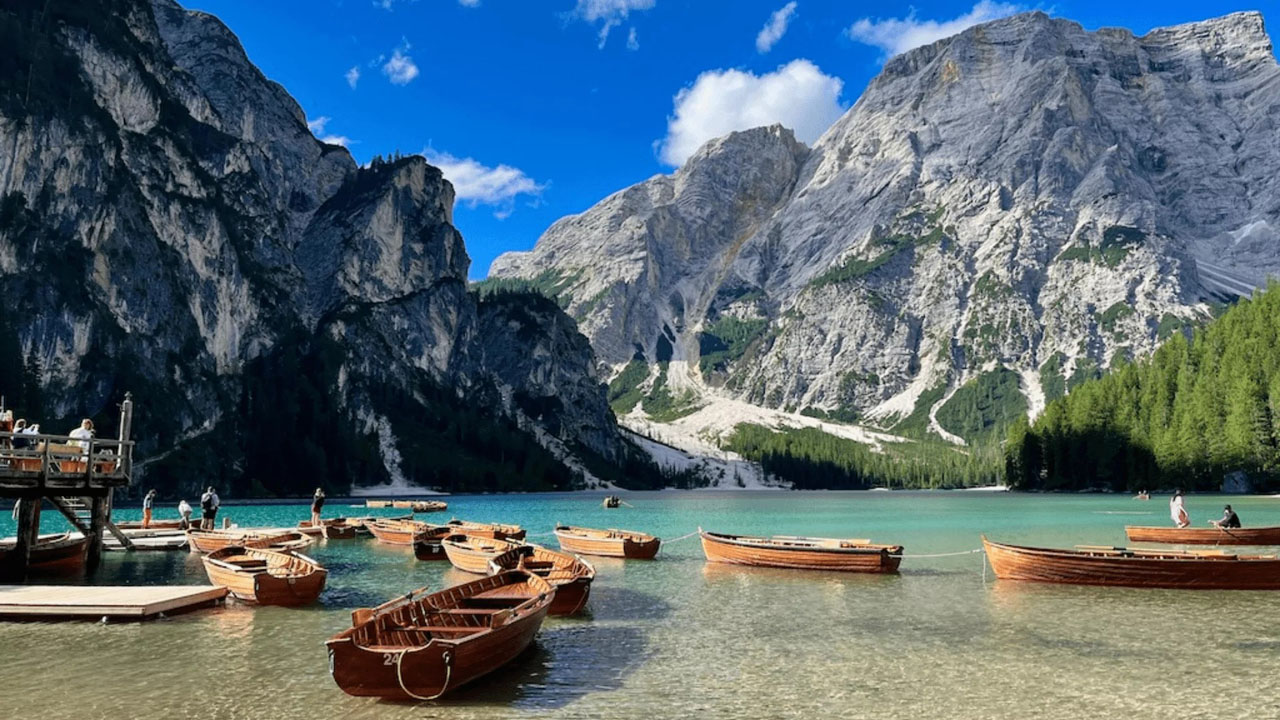
Rising dramatically across northeastern Italy, the Dolomites form one of Europe’s most distinctive mountain regions, renowned for their pale limestone formations and striking vertical peaks. Designated as a UNESCO World Heritage Site, the area is recognized for both its geological significance and exceptional natural beauty.
The landscape is characterized by sharp ridges, expansive plateaus, and deep valleys, shaped over millions of years through sedimentation and erosion. The unique composition of dolomitic rock gives the mountains their light coloration, which transforms throughout the day—most notably during sunrise and sunset, when the peaks take on warm hues in a phenomenon known as enrosadira.
Beyond their visual appeal, the Dolomites are an important center for outdoor activity. Extensive networks of hiking trails, alpine routes, and cycling paths traverse the region, while winter months bring opportunities for skiing and mountaineering. Areas such as Cortina d’Ampezzo and the Val Gardena valley serve as key access points to these landscapes.
Culturally, the region reflects a blend of Italian, Austrian, and Ladin influences, visible in local traditions, architecture, and cuisine. Mountain villages and alpine pastures maintain long-standing ways of life, while also supporting sustainable tourism practices that preserve the environment.

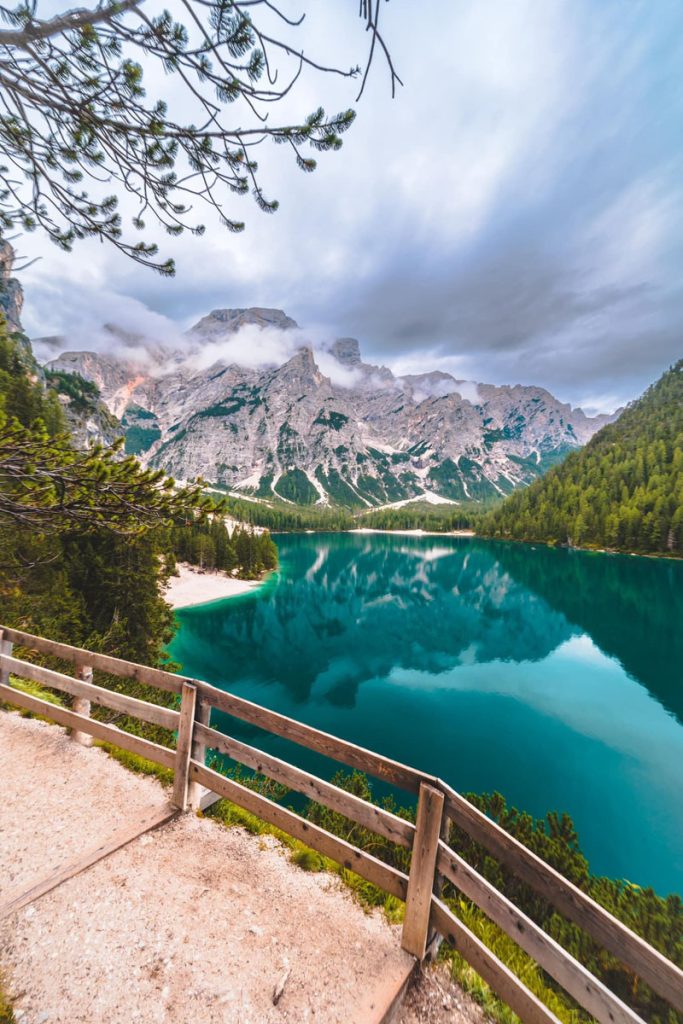

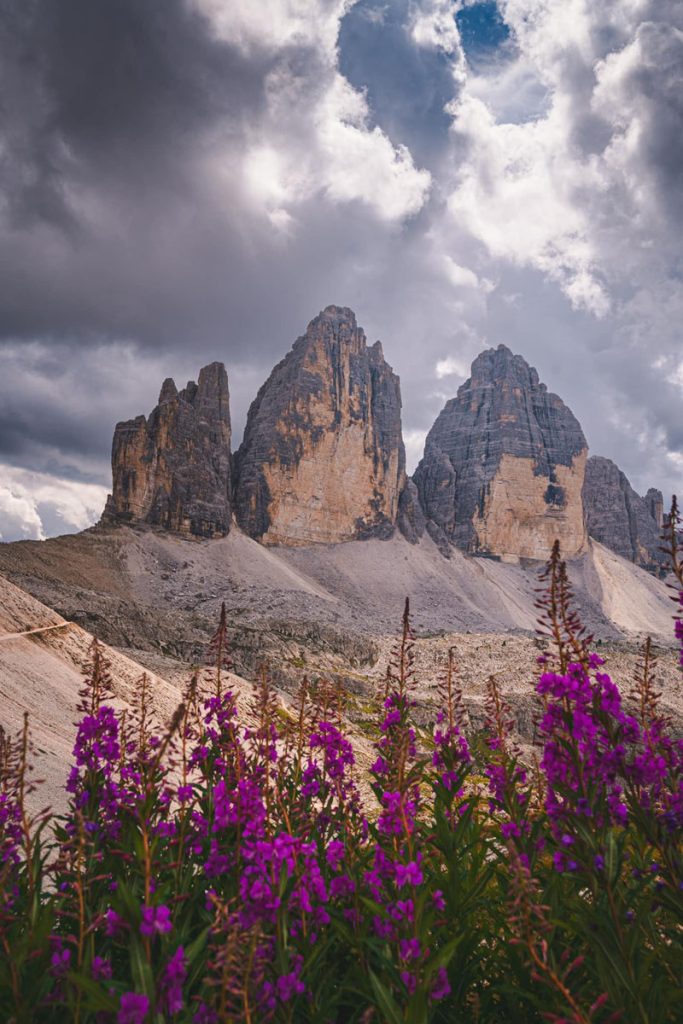


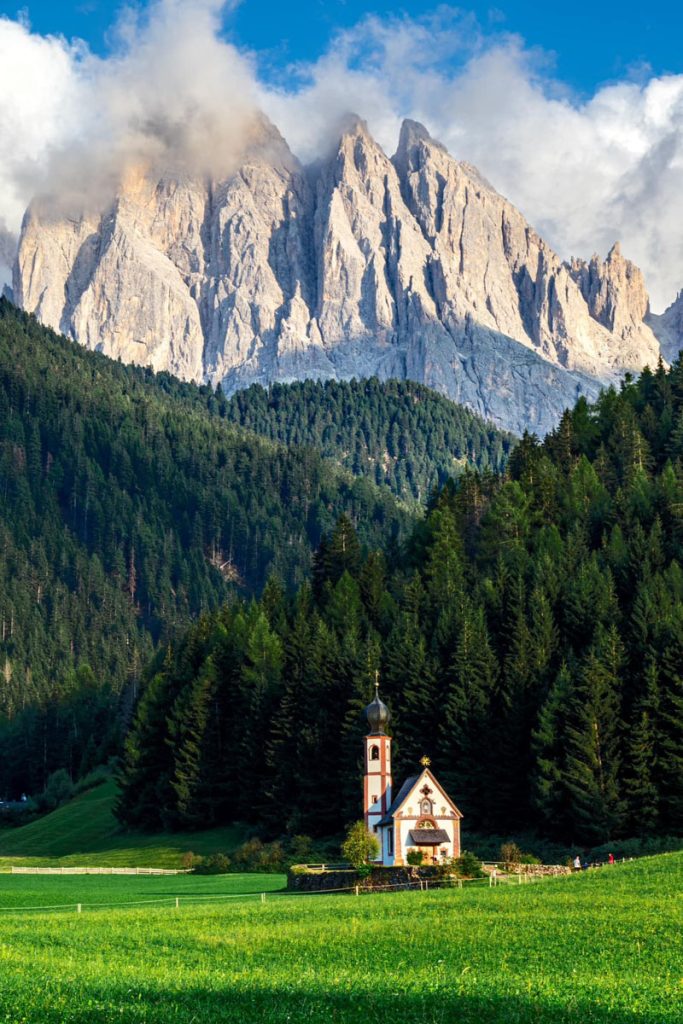
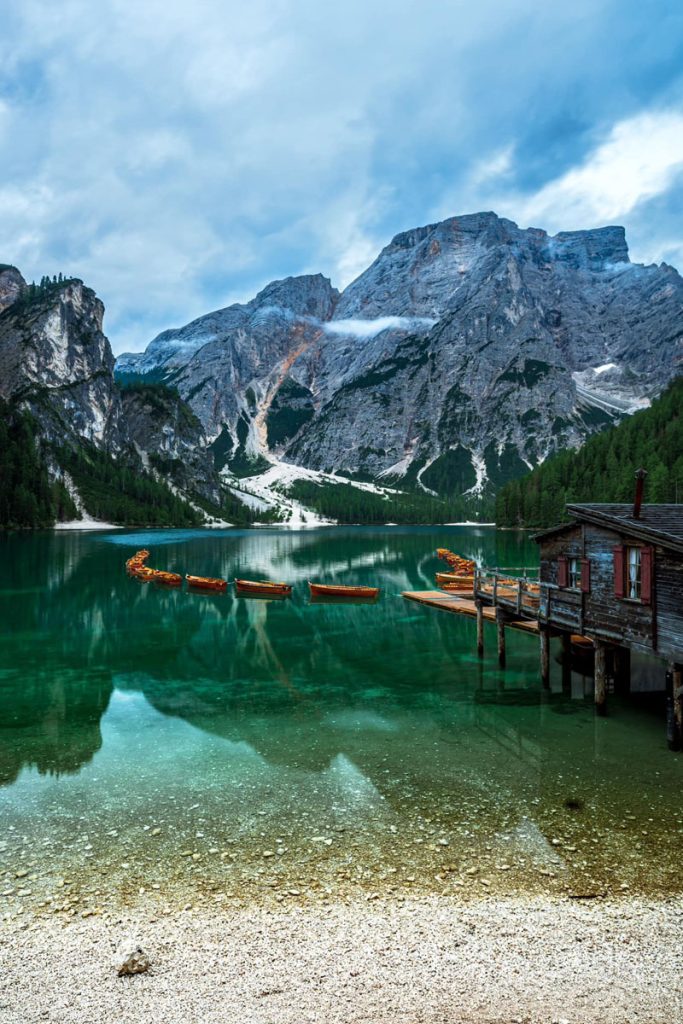
The Dolomites offer a synthesis of geological uniqueness, cultural diversity, and year-round accessibility, making them one of the most compelling alpine destinations in Europe.