
Pisa – A Historic City of Art and Architecture
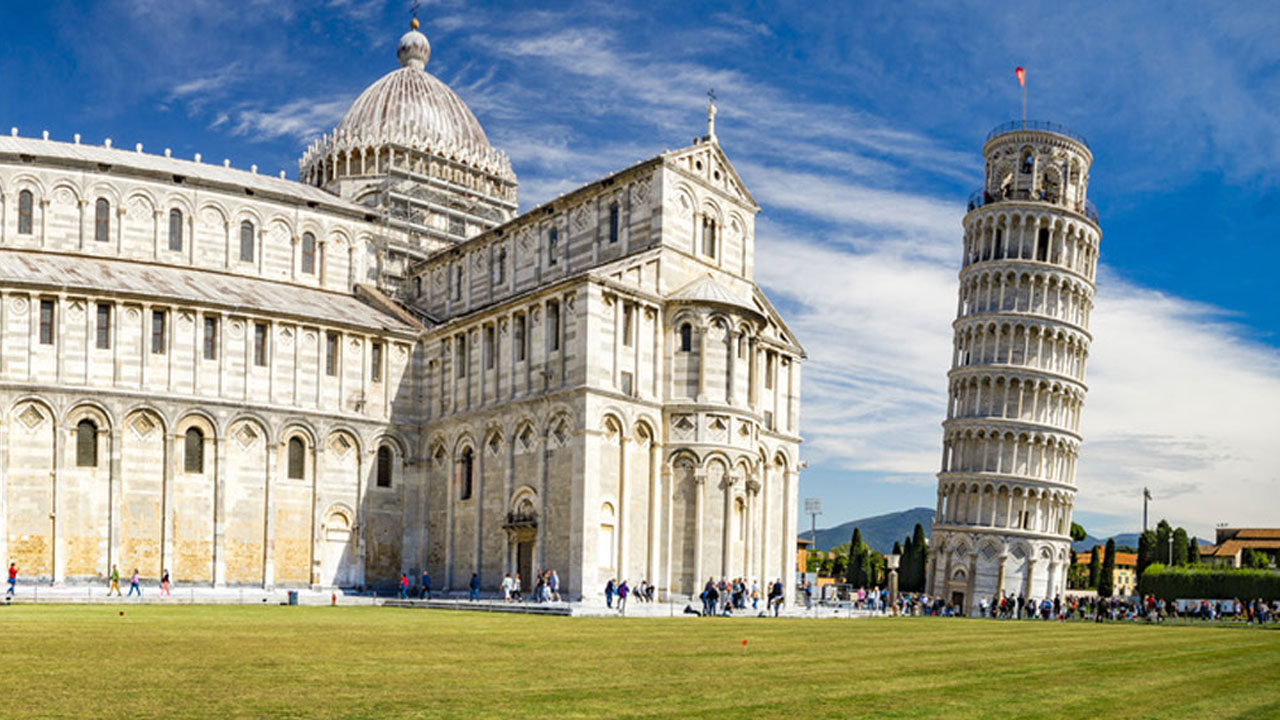
Renowned for its architectural heritage, academic tradition, and cultural significance, Pisa is a historic city located in the Tuscany region of Italy. Although widely associated with its iconic tower, the city presents a broader historical landscape shaped by medieval prosperity and maritime influence.
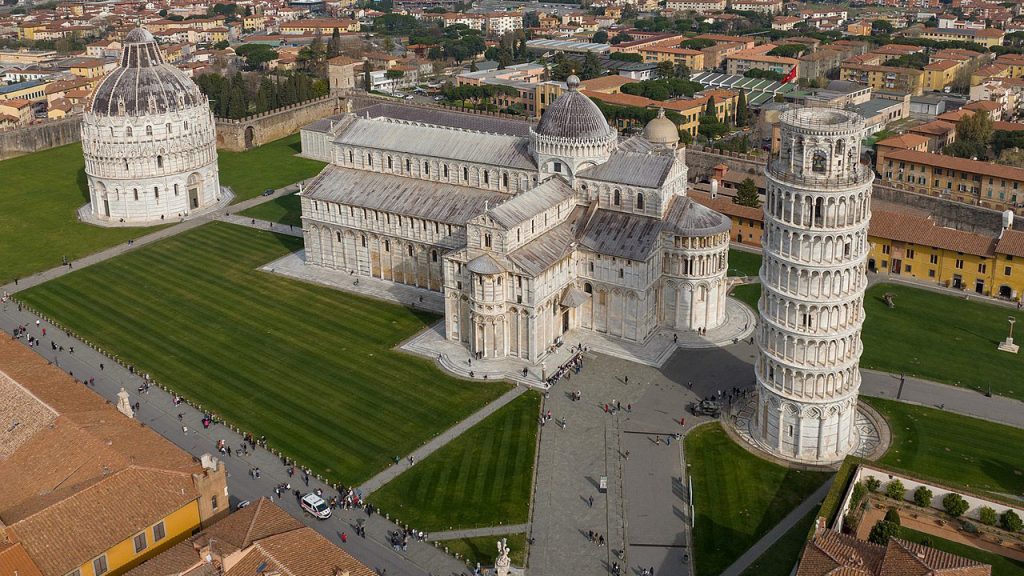
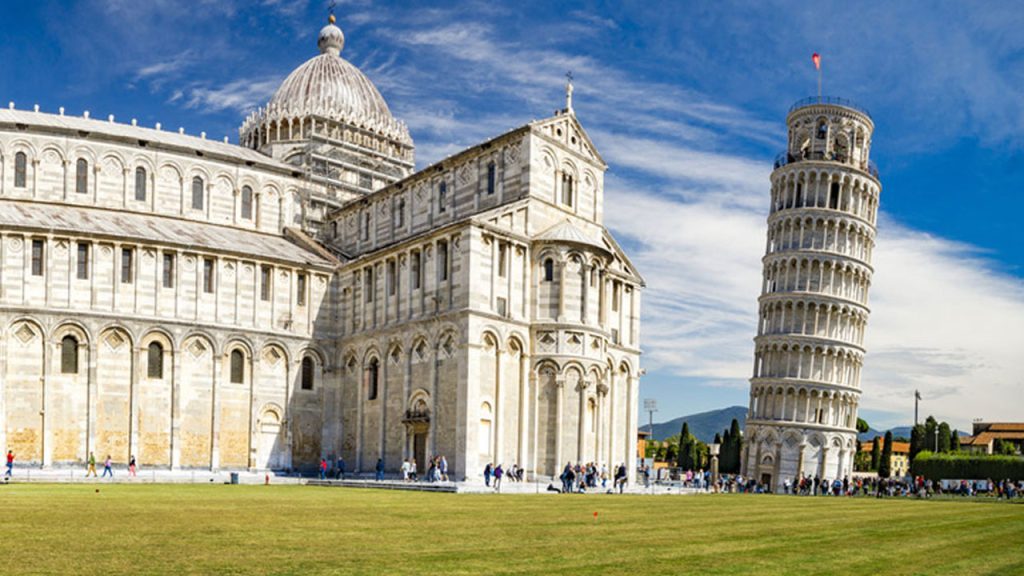
At the heart of Pisa lies the Piazza dei Miracoli, a UNESCO World Heritage Site that contains some of Italy’s most important monuments. The Leaning Tower of Pisa, originally constructed as a freestanding bell tower, became famous due to its unintended tilt caused by unstable ground. Nearby, the Pisa Cathedral and the Pisa Baptistery represent outstanding examples of Romanesque architecture, showcasing intricate marble façades and artistic craftsmanship.
Beyond its monuments, Pisa has a long-standing intellectual tradition centered around the University of Pisa, founded in the 14th century. The university has contributed significantly to science and culture, and is historically associated with figures such as Galileo Galilei, who was born in the city.
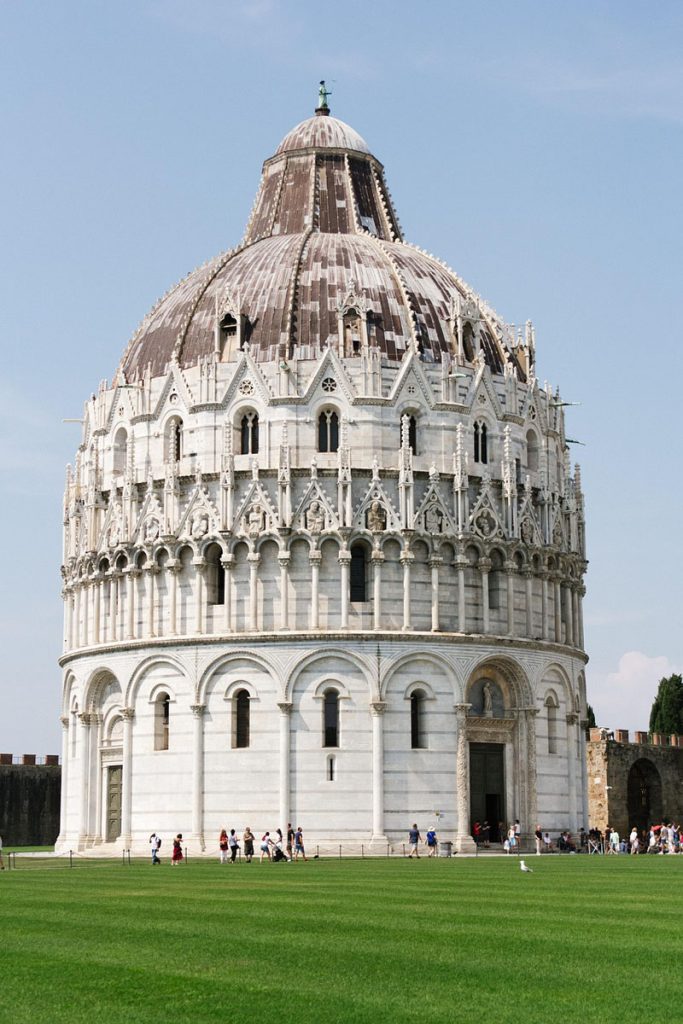
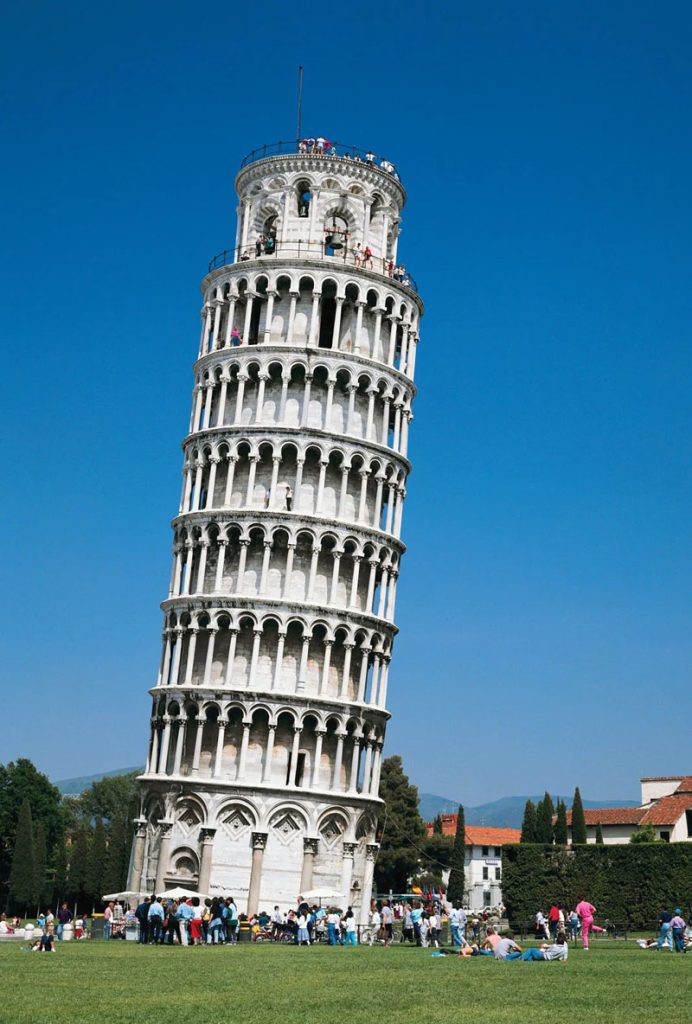
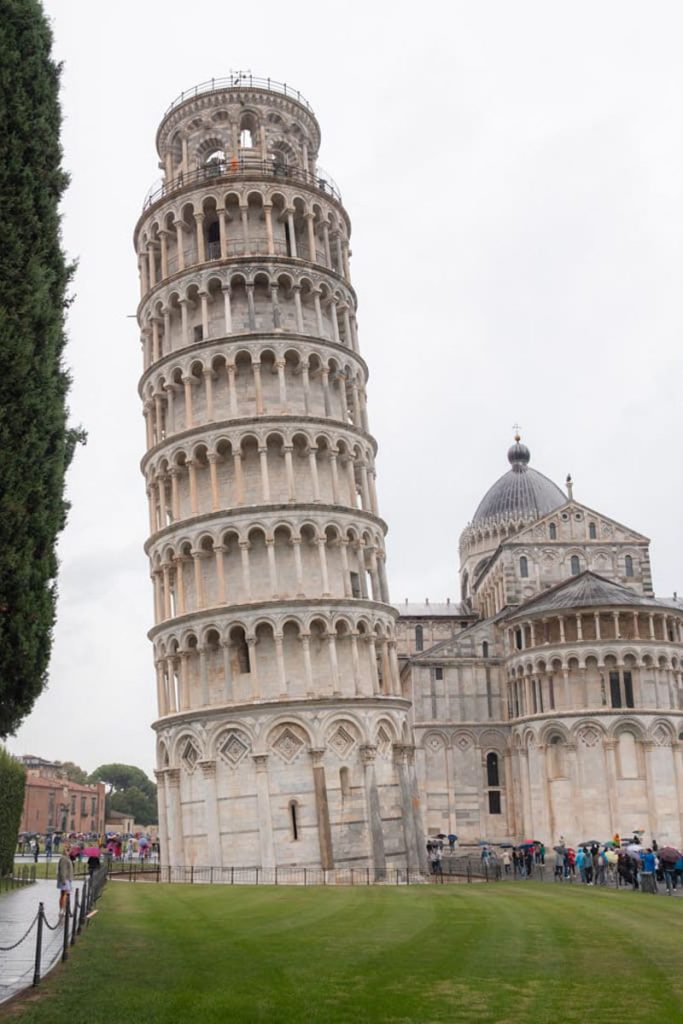
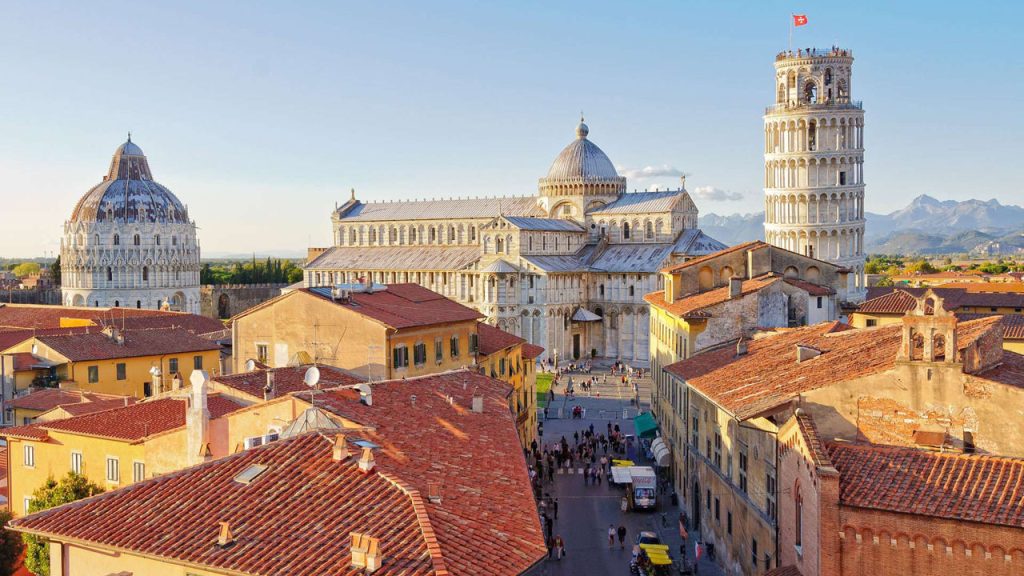
The urban landscape extends along the Arno River, where historic buildings, churches, and bridges create a cohesive architectural environment. While quieter than larger Italian cities, Pisa maintains a vibrant atmosphere shaped by its student population, local markets, and cultural events.
In addition to its historical and academic importance, Pisa serves as a gateway to the Tuscan region, with access to nearby cities, coastal areas, and rural landscapes. Its combination of iconic landmarks and everyday Italian life offers insight into both the country’s past and present.